


Asia Williams was a 38-year-old Black trans woman. On June 23, 2026, she was shot inside Mega Tobacco & Convenience on York Road in Baltimore and later died at a hospital. A 27-year-old man was also wounded and is expected to survive.
Baltimore police were called around 10:49 p.m. to the store at 5211 York Road for a reported shooting. Inside, they found Asia and the second victim suffering from gunshot wounds. Authorities said an unidentified man entered the store, pulled out a gun, and opened fire. The gunman has not been publicly identified, and the case remains open.
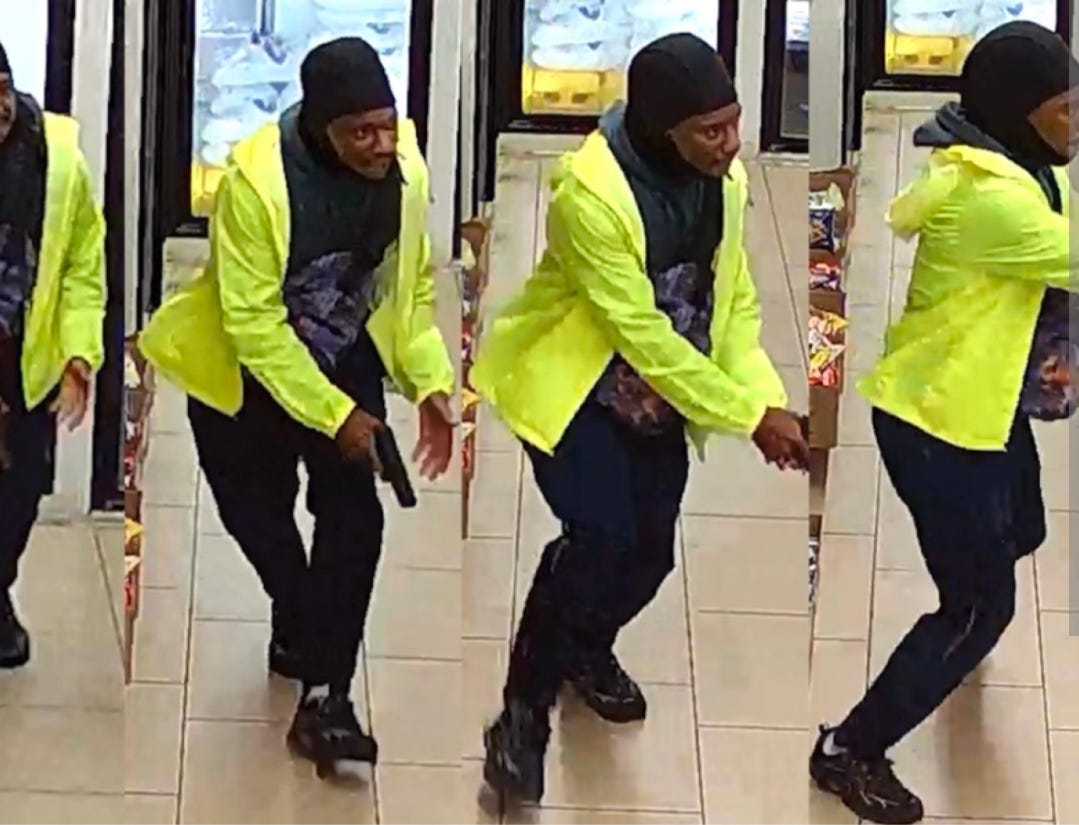
The crime is not the only harm in the record. In local and police-linked reporting, Asia was identified through another name and misgendered in the public record. Community reporting identified her as Asia Williams, a Black trans woman. That difference is not small. When trans people are killed, the public record can become another site of harm by deadnaming them, misgendering them, flattening their identity, or forcing the community to restore their name after death.
Asia Williams should not have to be reclaimed from a police record. Her womanhood should not depend on whether officials name it correctly. Her death should not be reduced to a case file, a surveillance image, or a line in a homicide count.
This is how erasure works at ground level. It does not always arrive as one dramatic ban or one deleted federal dataset. Sometimes it appears in the first public line after a Black trans woman is killed: the wrong name, the wrong gender, the wrong record, and a community forced to correct the state after death.
That is why Asia’s death requires more than neutral crime language. The shooting facts matter, but so does the way the story is carried afterward. When a Black trans woman is killed and the first public record does not hold her name or womanhood correctly, violence is followed by another public harm: erasure.
Asia Williams was more than the way she was killed and more than the way early records named her. Her social media showed her fashion sense, her nail art, her humor, and her love for Southern soul food. Her aunt remembered her as a bright light, full of kindness and love, a dedicated retail manager who also drove for DoorDash to support her family. Just before her death, Asia and her mother had moved into a new home.
That is the life the record has to carry, not just the violence that ended it. Asia Williams was killed in Baltimore, and her name belongs in the public record without correction from the community after the fact. She was a Black trans woman, and any record of her death should identify her with the same care it gives to the location, the time, the store, and the investigation.
The public still needs answers about the gunman, the motive, and what led to the shooting. Those answers have not been provided. Until police provide them, the investigation should stay visible without allowing Asia’s name or identity to be pushed behind the case file.
Public records should not make Black trans women harder to find, name, or remember after violence has already taken their lives.
When Black trans women are killed, the record too often strips away their names before the public even learns who they were.
Asia Williams deserves a public record that names her correctly, honors her womanhood, and keeps pressure on the investigation. Trans United documents these cases so Black trans women are not erased after death.
Upgrade to support Trans United and help keep this documentation going.
Related context:
This case connects to a larger pattern Trans United has documented before: when systems erase trans identity from public records, violence becomes harder to track, count, and remember.
The Trump Administration’s Erasure of Harm Against Trans People from the Internet — How Federal Data Changes Hide Violence

Have you noticed the sudden drop in media reporting about violence against transgender people? In recent months, fewer national stories have documented killings, assaults, and hate-motivated attacks targeting trans communities. That silence does not necessarily mean the violence has stopped. In fact, the explanation may lie elsewhere — in changes to the…