

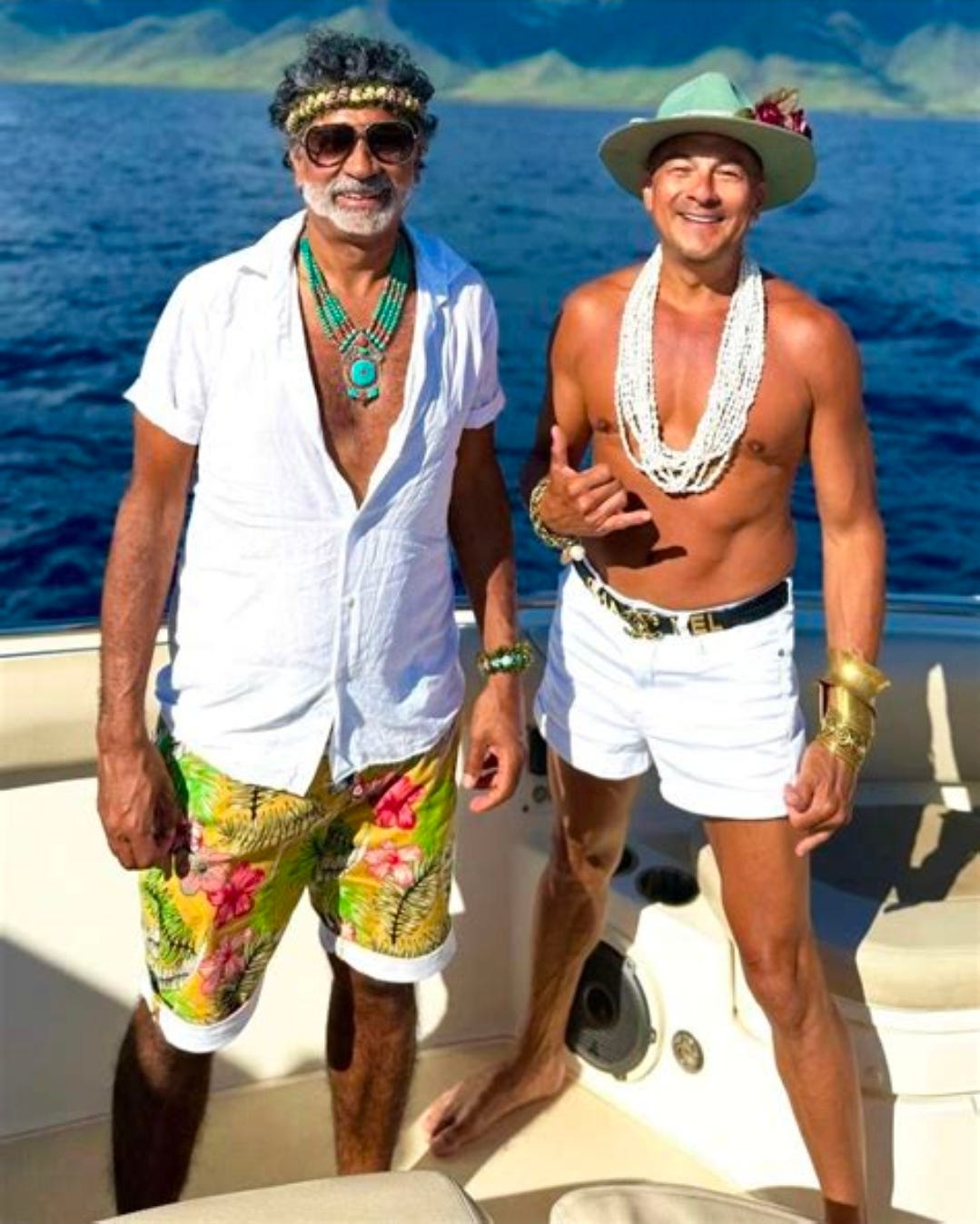
Zafar Mawani and Guillermo Hidalgo Ortiz disappeared in Mexico City on May 20. Weeks later, Mexican authorities confirmed that the U.S. gay couple were among four people found dead near La Marquesa National Park, a wooded area outside the capital. Their deaths are now tied to a criminal investigation, reported bank withdrawals after they vanished, arrests connected to alleged kidnapping and robbery activity, and a family search that ended weeks after they were last seen.
The timeline is clear. Mawani and Hidalgo Ortiz were last seen in Mexico City’s Isidro Fabela neighborhood after traveling there in connection with caring for Mawani’s sick mother. Four bodies were found on June 17 near La Marquesa National Park, about 20 miles southwest of Mexico City. On June 25, Mexican authorities confirmed that Mawani and Hidalgo Ortiz were among the dead.
Their families were forced into the search weeks before authorities confirmed the worst. Relatives, friends, investigators, volunteers, and loved ones searched for answers while the case moved from missing-person reports to a criminal investigation. Mawani’s family thanked the people who helped try to bring him home, including investigators, authorities in both countries, volunteer organizations, friends, and loved ones who stepped forward without being asked.
The investigation has focused on more than the discovery of bodies. Reporting has described unusual withdrawals from the couple’s bank accounts after they vanished. Mexican media have reported arrests in connection with the case, including a former police officer alleged to have led a kidnapping and robbery gang. Those details place the deaths of Mawani and Hidalgo Ortiz inside a broader investigation into disappearance, financial exploitation, kidnapping, and organized criminal activity.
The case also sits inside Mexico’s missing-persons crisis. More than 135,000 people are currently thought to be missing in the country, with 977 reported to have disappeared in May alone. That scale matters, but it cannot be allowed to turn Mawani and Hidalgo Ortiz into two more unnamed entries inside a national emergency. Their case has dates, locations, reported evidence, family statements, arrests, and names that should remain visible.
Cross-border disappearance cases create a second burden for families because the search does not happen inside one system. Families are forced through police agencies, consular uncertainty, public appeals, media attention, language barriers, and weeks of fear before confirmation arrives. For Mawani and Hidalgo Ortiz, the search moved from Mexico City to La Marquesa National Park, from missing-person concern to forensic identification, and from family hope to a murder investigation with unanswered questions still attached.
Mawani and Hidalgo Ortiz were partners, and that relationship belongs in the story. LGBTQ people are often erased in death by vague wording that separates partners from the lives they built together. In this case, their relationship was part of the public search, part of the grief left behind, and part of why their names moved through LGBTQ press and community attention after authorities confirmed their deaths.
Zafar Mawani and Guillermo Hidalgo Ortiz should remain named in this case: in the timeline, in the investigation, in the reported financial activity after they vanished, and in every public account of the four bodies found near La Marquesa National Park. Their families searched for them for weeks. Their names should stay attached to what happened.
This reporting keeps their names attached to the timeline, the investigation, the reported financial activity after they vanished, and the unanswered questions still surrounding the case.
Paid subscriptions help keep Trans United’s LGBTQIA+ public-record reporting open, searchable, and alive when stories like this are too often flattened into silence.
THANK YOU SO MUCH FOR YOUR WORK & EXPOSURE of REAL HUMAN BEINGS BATTLING HATE!💜🙏
💮🌸🪷💮🌸🪷💮🌸🪷