


A deadly attack near Berlin’s Christopher Street Day celebration killed one woman and injured 29 people before police shot and killed the suspected attacker the following day. The police killing ended the search for Abdul Ballout, but it did not reverse the death, physical injuries, trauma, or damage inflicted on a public gathering built around LGBTQIA+ visibility and freedom.
The attack began Saturday night in Tiergarten, only a few hundred meters from the Pride celebration at Brandenburg Gate. German authorities said Ballout drove a van into people, abandoned the vehicle, and attacked additional bystanders with a machete before fleeing. Emergency crews treated a mass-casualty scene while Berlin police launched a citywide search.
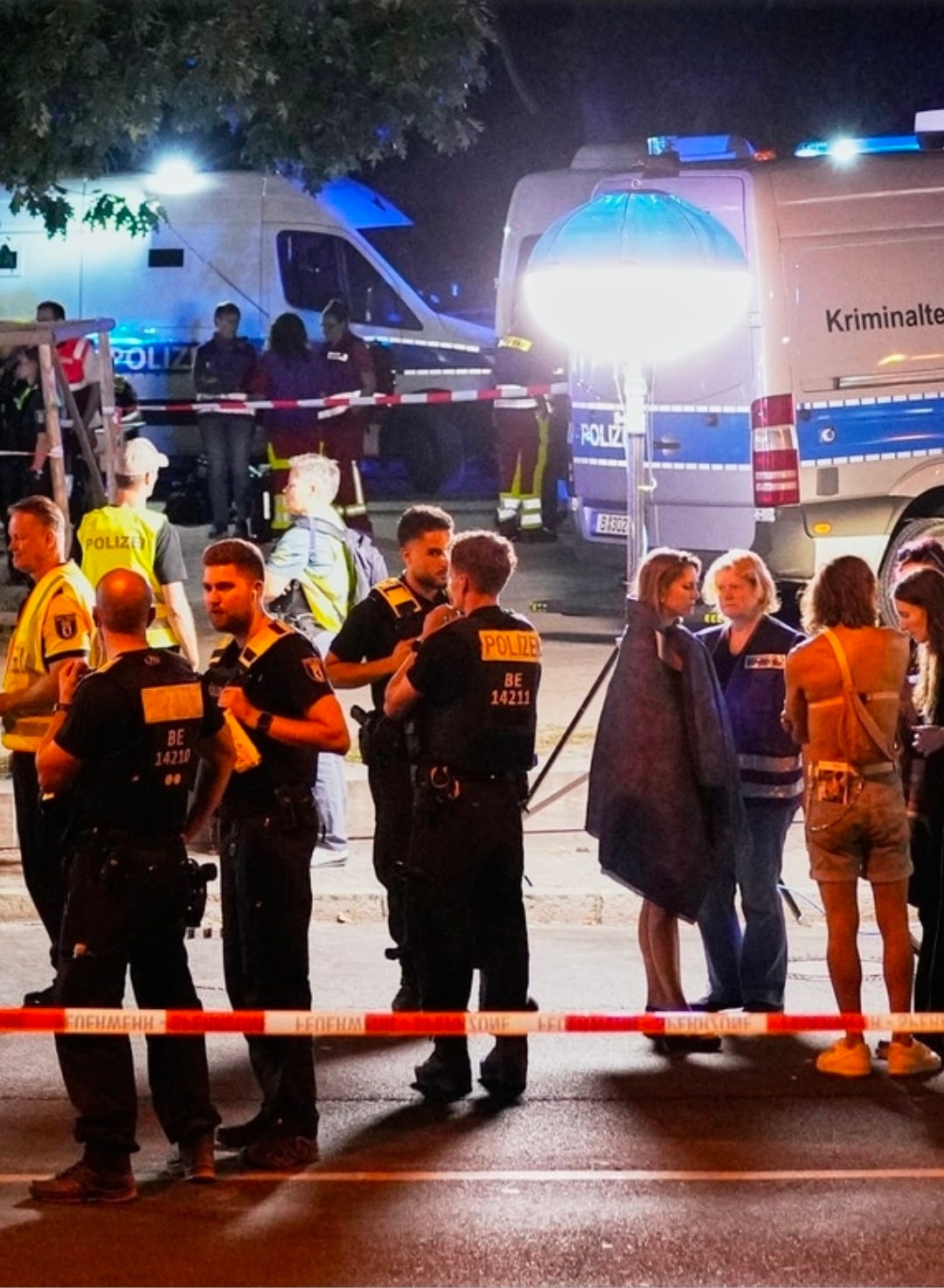
Initial reports placed the number of injured people at approximately 16. German authorities later raised the count to 29. Several people suffered critical injuries, and organizers stopped the remaining Christopher Street Day activities after the attack.
The attack transformed Pride from a public celebration into a site of death, emergency treatment, evacuation, and fear. Christopher Street Day participants had gathered across Berlin to occupy public space openly, celebrate LGBTQIA+ life, and demand equal rights. The attacker brought mass violence to a public gathering organized around LGBTQIA+ visibility and equal rights, forcing organizers to end the remaining celebration.
German authorities identified Ballout as a 21-year-old German citizen. Officials described him as a known Islamist extremist with a previous conviction involving preparations for political violence and extremist propaganda. Authorities also said he had attempted to join the Islamic State group. Those claims form the basis of the German government’s terrorism assessment.
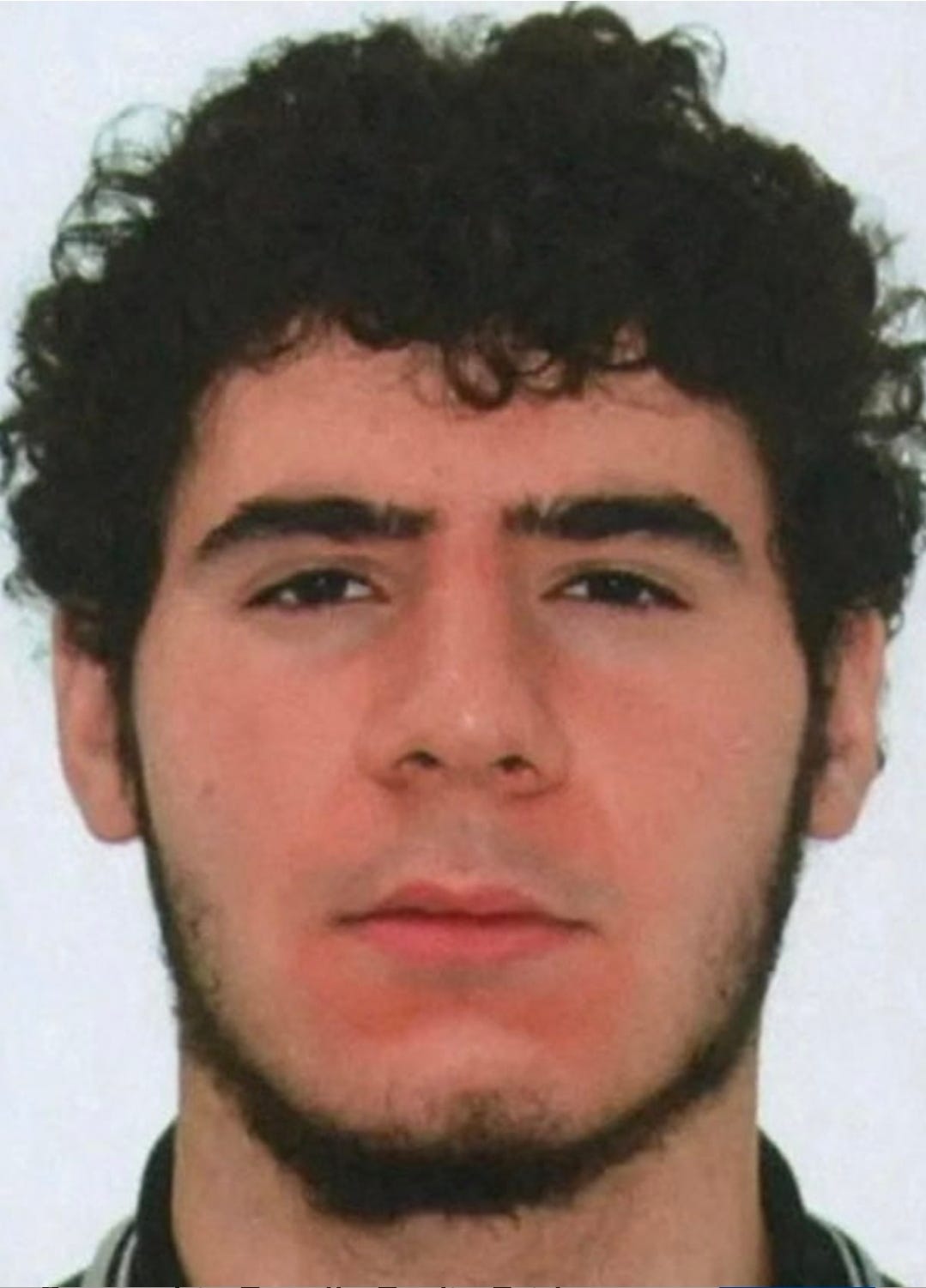
German Interior Minister Alexander Dobrindt said the evidence pointed to an Islamist terrorist attack. Responsibility belongs to Ballout and to anyone investigators establish helped plan or carry out the attack.
Berlin police located Ballout the following evening in the western district of Spandau. Berlin police said Ballout advanced with a bladed weapon before officers shot and killed him. Ballout’s death resolved the immediate manhunt, but it did not constitute a trial, produce a complete public record, or answer every question about how the attack was planned and carried out.
Christopher Street Day matters because the gathering was not interchangeable with any crowded public event. Pride makes LGBTQIA+ people visible in a society where visibility has repeatedly drawn harassment, political punishment, and physical violence. The attack struck near one of Europe’s largest Pride celebrations and forced Pride attendees from celebration into evacuation and mourning.
The investigation must establish what German authorities knew about Ballout’s reported extremist history, how he reached the crowd, whether he acted alone, and whether anyone assisted him. Future Pride security cannot be reduced to vague promises of vigilance. German officials owe survivors, victims’ families, Pride organizers, and Berlin’s LGBTQIA+ community a transparent account of the attacker’s preparation, the security response, and the evidence supporting the terrorism assessment.
Police killing Ballout ended the search for the suspected attacker. It did not bring back the woman killed, heal the 29 injured people, erase the terror witnesses carried away from Tiergarten, or restore the Pride celebration that was forced to stop. Berlin’s public record begins with the people harmed—not with relief that the suspect is dead.
The Berlin Pride attack brought mass violence to a public LGBTQIA+ gathering and left survivors carrying the harm after the manhunt ended.
Trans United documents violence at LGBTQIA+ gatherings, extremist targeting, public-event security, institutional response, and the people whose injuries and trauma remain after breaking-news coverage disappears. Upgrade to a paid subscription to help us continue investigating, documenting, and preserving these public records.