

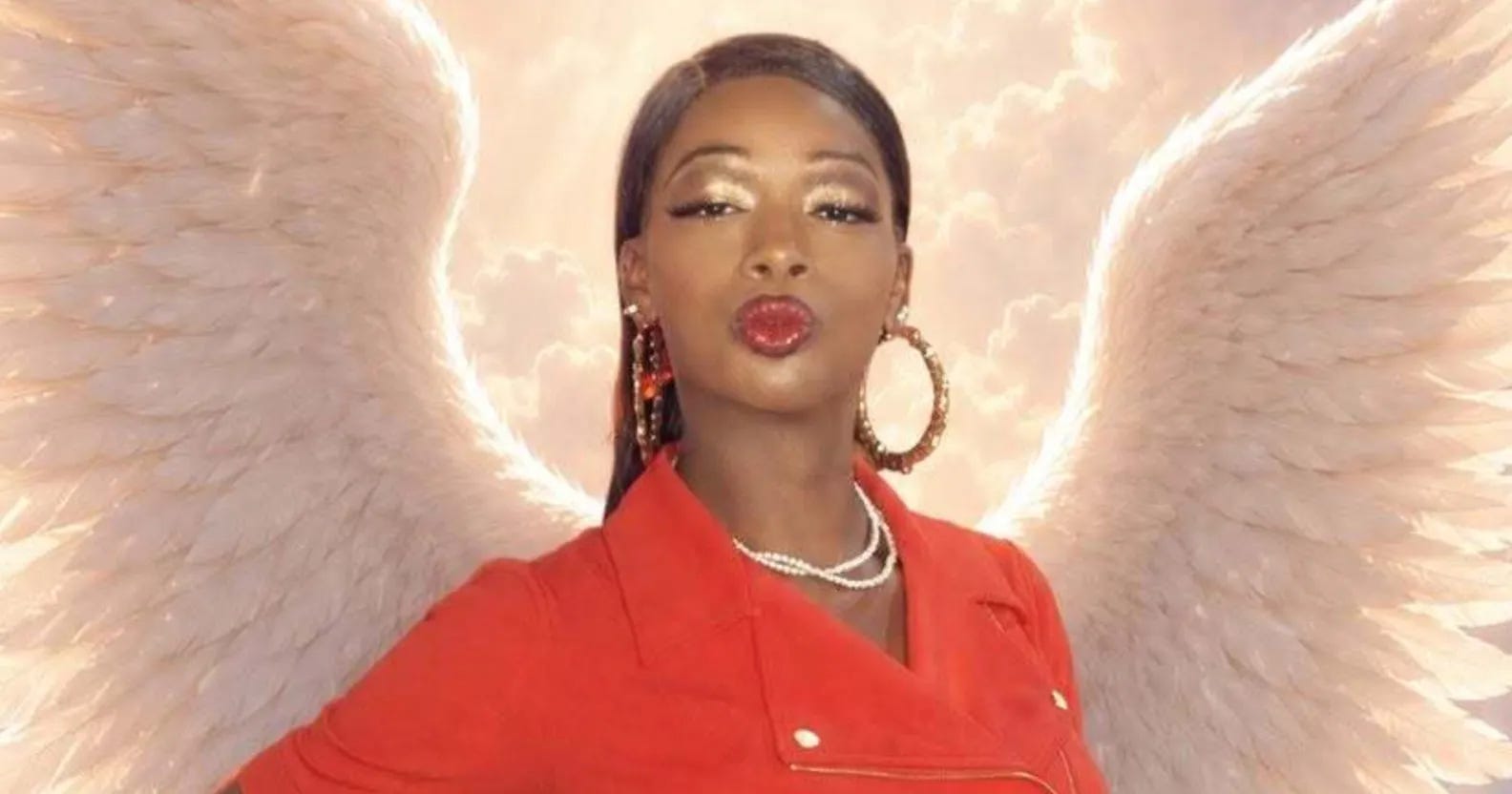
Kalena “Peaches” Croskey was 32 years old, Black, trans, and loved by people who knew her as more than a name in a jail record.
In Birmingham, Alabama, her community is mourning her as family. TAKE Resource Center, a nonprofit that provides social services to trans people of color, remembered Croskey as someone who brought light, laughter, joy, music, beauty, and movement into the spaces she entered.
“She was family,” the organization wrote in a June 15 Substack post.
That is where this story has to begin: with Kalena “Peaches” Croskey as a Black trans woman whose life mattered before she was found unresponsive inside Birmingham City Jail on June 11.
Her story should not be introduced through a booking record, charges, jail language, or the early coverage that misgendered her after death.
According to local reporting citing the Jefferson County Coroner’s Office, Croskey was discovered unresponsive by correctional staff during an afternoon routine check at Birmingham City Jail. She could not be resuscitated and was pronounced dead later that day.
She had reportedly been held in the jail since April 21 on charges of disorderly conduct, public intoxication, criminal mischief, and third-degree assault. Her cause of death has not been publicly confirmed, and her death remains under investigation.
The unanswered questions begin with what happened inside the jail before Croskey was found unresponsive. They also include what care she received, what warnings were missed, what conditions surrounded her custody, and why her identity was erased in public coverage after her death.
Early local coverage identified Croskey by her birth name and referred to her as a man. That misgendering is not a side issue. It is part of the public harm that so often follows trans people after death.
For Black trans women, being misnamed or misgendered in police reports, media coverage, jail records, and death investigations can distort the public record. It can separate a person from the community that knew her and make a trans woman disappear inside the same systems that failed to protect her.
Kalena “Peaches” Croskey deserved to be seen while she was alive, cared for while she was in custody, and named correctly after her death.
This kind of erasure does not happen only in headlines. It also happens inside the systems that decide whether violence against trans people is counted, studied, and treated as a public accountability issue.
Trans United has reported on how the Trump administration’s removal of gender identity questions from the National Crime Victimization Survey makes violence against transgender people harder to track at a national level. Croskey’s death shows why that matters in human terms: when trans people are misnamed, misgendered, or made invisible in public records, the harm moves into data, reporting, memory, policy, and public response.
Erasure does not only hide the person. It weakens the public record that communities rely on to prove patterns, demand answers, and prevent the next death from being treated as isolated.
TAKE Resource Center’s tribute refused that erasure.
The organization remembered Croskey as someone who brought “light, laughter, and joy” into every space she entered. It described her singing Beyoncé songs, voguing to the beat, creating glamorous makeup looks, and making others smile. It described a person who carried joy even while facing deep struggle.
That testimony matters because custody deaths often flatten people. The public is handed charges, institutional statements, and official timelines. The person becomes secondary to the system’s paperwork.
Croskey was not paperwork. She was Peaches, a friend, a chosen family member, part of Birmingham’s trans community, and a Black trans woman whose life cannot be reduced to the place where she died.
In its post, TAKE Resource Center framed her death as part of a larger failure. The organization wrote that the loss was “not accidental,” calling it a reminder of failures inside the carceral system, including inadequate mental-health resources, negligence, and systemic shortcomings that continue to cost lives.
“Incarceration should never lead to dehumanization,” the organization wrote. “Peaches was a human being. She deserved dignity, respect, compassion, and access to the care she needed.”
Those words should sit at the center of the public record.
In a separate Facebook post, TAKE Resource Center founder and executive director Daroneshia Duncan-Boyd described Croskey’s death as a failure of the criminal justice system and wrote a tribute to her friend. Duncan-Boyd wrote that Croskey had lived with untreated mental illness and had to navigate the world in her trans identity.
“Once again, a system has failed you,” Duncan-Boyd wrote.
Duncan-Boyd also described alleged details of Croskey’s time inside Birmingham City Jail based on communications she said she had with her. She wrote about bullying Croskey allegedly endured after arriving at the jail, lack of access to specialty medications, failure to prioritize medical appointments, disgusting food, pest infestations, broken air conditioning, and broken windows throughout the facility.
Those allegations require careful attribution, and they also require public attention. If a Black trans woman in custody reported bullying, lack of medication, missed medical care, unsafe conditions, and neglect before being found unresponsive, Birmingham officials owe the public more than a narrow statement that her death is under investigation.
They owe answers about what happened while she was alive.
Three days after Croskey’s death, another person died in Birmingham City Jail shortly after being evaluated for a self-harm attempt, according to local reporting. Both deaths are under investigation by the Birmingham Police Department.
Local reporting has also pointed to years of deteriorating conditions inside the facility. In 2025, Birmingham City Jail was hit with a federal lawsuit over the death of Angela Karen Langley Kimberly, who allegedly died of COVID-19 in her cell. AL.com reported that attorneys said Kimberly had been left unmedicated and struggling to breathe for days after testing positive for the virus.
An attorney in that case described the jail as being in “deplorable condition” based on his experience seeing clients there.
That history cannot be separated from Croskey’s death. A jail with reported deterioration, prior allegations of medical failure, another death days later, and community allegations of neglect surrounding Croskey’s time in custody should not be allowed to treat her death as an isolated incident without public scrutiny.
The question is not limited to whether one staff member performed one check at one moment. Public accountability requires examining the full environment around a Black trans woman in custody.
Public accountability requires a clear record of Croskey’s final weeks in custody: what jail staff knew about her mental-health needs, whether she had access to necessary medication, whether medical appointments were missed, whether complaints or reports of bullying were documented, what housing conditions she was held in, and who was responsible for her care.
Those questions matter because Black trans women often face layered harm before they ever enter a jail cell. Criminalization, poverty, untreated mental-health needs, housing instability, medical neglect, anti-trans discrimination, and abandonment can converge long before the public sees a headline.
Inside custody, those vulnerabilities can become more dangerous. A jail can strip away access to chosen support networks, affirming care, medications, privacy, safety, and identity. For a trans woman, custody can also mean heightened exposure to harassment, misgendering, isolation, and institutional indifference.
Croskey’s community is asking the public to remember her as Peaches, not only through the conditions that surrounded her death.
That means holding both truths at once: the joy she brought into her community, and the system that had custody of her when she died. It also means refusing to treat an investigation alone as accountability.
Kalena “Peaches” Croskey’s death belongs in the public record as a Black trans custody death tied to Birmingham City Jail, early misgendering, community grief, and unanswered questions about the conditions surrounding her final weeks in custody.
TAKE Resource Center is planning a short memorial and balloon release for Croskey at its Juneteenth event.
That memorial matters because Peaches was loved, named, remembered, and deserving of care long before Birmingham officials owed the public answers about her death.
Birmingham must now answer for what happened to her in custody.
When a Black trans woman dies in custody, the harm does not begin and end with the moment she is found unresponsive.
The harm includes warning signs, missed appointments, medication questions, unsafe conditions, reports of bullying, and institutional failures that may have surrounded her before the public learned her name. It continues through headlines that misgender her, records that erase her, data systems that make violence against trans people harder to count, and public institutions that treat investigation as a substitute for accountability.
Kalena “Peaches” Croskey deserved more than a jail cell. She deserved dignity, care, safety, and the right to be named correctly in life and in death.
Trans United documents these deaths because Black trans women are too often forced into public memory only after institutions have failed them. We document the names, conditions, erasure, and unanswered questions because trans people deserve safety, care, and truth before institutions reduce them to another death in custody.
Support this work by upgrading to a paid subscription.
Related report:
The Trump Administration’s Erasure of Harm Against Trans People from the Internet — How Federal Data Changes Hide Violence

Have you noticed the sudden drop in media reporting about violence against transgender people? In recent months, fewer national stories have documented killings, assaults, and hate-motivated attacks targeting trans communities. That silence does not necessarily mean the violence has stopped. In fact, the explanation may lie elsewhere — in changes to the…
Thank you for writing about her story 💔😢