

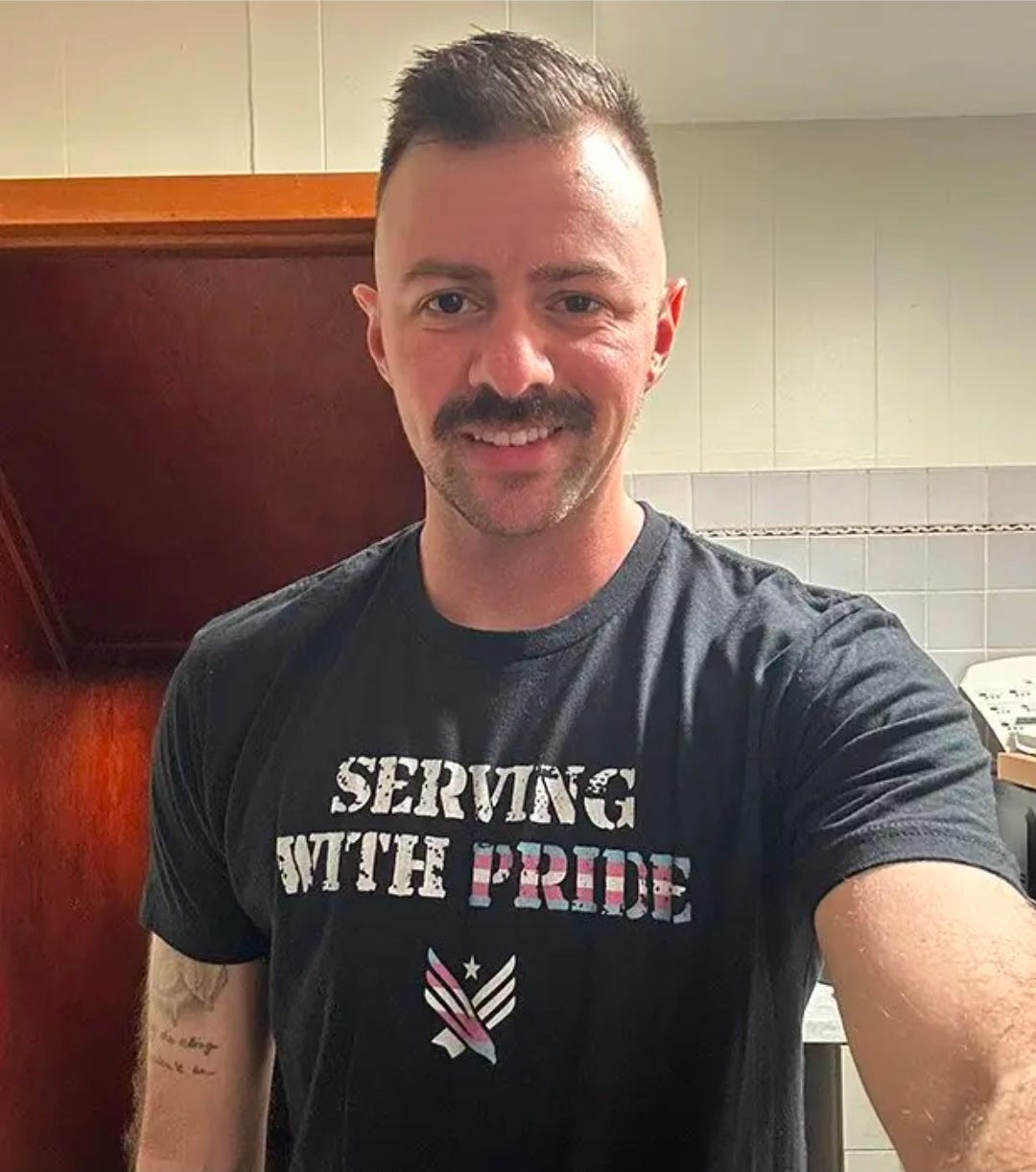
A federal appeals court has blocked the Trump administration from removing transgender troops already serving in the U.S. military, but the ruling does not fully stop the exclusion. The same decision allows the armed services to keep blocking new transgender enlistment while the legal fight continues.
For transgender troops already wearing the uniform, the decision protects their service for now. For transgender people trying to join, the door can still be held shut. That difference matters because the Trump administration’s policy was never only about paperwork, readiness, or military standards. It was about whether transgender people could be treated as citizens who serve, or political targets who can be pushed out when power decides their identity is incompatible with public life.
The divided ruling came from a three-judge panel of the U.S. Court of Appeals for the D.C. Circuit. The court mostly upheld a preliminary injunction issued by District Judge Ana Reyes in March 2025, which blocked the dismissal of six active-duty transgender plaintiffs challenging Trump’s order. The appeals court narrowed that protection to currently serving transgender troops, leaving new enlistment outside the same shield.
Judge Robert Wilkins, writing for the majority, did not treat the policy as a neutral military judgment. He wrote that the ban appeared arbitrary and based on animus, and said it appeared to be driven by a bare desire to harm a politically unpopular group: transgender people. That language cuts through the administration’s cover. The court was not simply saying the paperwork was flawed. It was naming the hostility underneath the policy.
Trump’s January 2025 order framed transgender identity as incompatible with an “honorable, truthful, and disciplined lifestyle.” It also claimed transgender service harmed military readiness. Pete Hegseth then implemented a policy that presumptively disqualified people with gender dysphoria from military service. The administration wrapped the attack in words like standards, readiness, discipline, and merit, but the result was clear: openly transgender troops were placed under threat of removal because they are transgender.
That is why this ruling cannot be treated as a clean win. The court protected current transgender troops from immediate purge, but it did not reopen the full institution to transgender people. The military can still block new transgender enlistment while the case moves forward. The message remains divided: those already inside may be protected for now, while those outside can still be kept out.
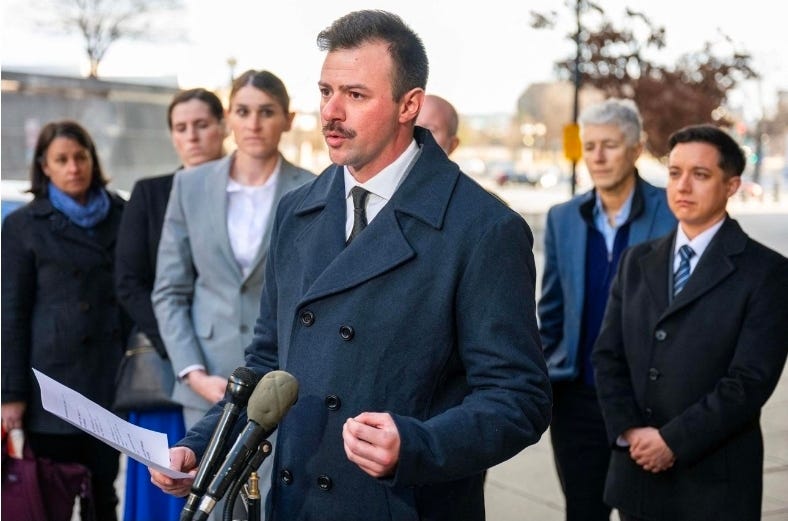
The harm is not abstract. Transgender service members built careers under the same oaths, duties, deployments, and standards as everyone else. Many served openly. Many put their lives into an institution that later became willing to question whether they belonged at all. A policy like this does not only threaten employment. It threatens rank, identity, health care, retirement, stability, reputation, and the basic promise that service will not be turned into a political weapon against the people who gave it.
Judge Reyes named that basic dignity earlier when she blocked the administration’s purge. In her March ruling, she wrote that every person who answered the call to serve deserved gratitude and respect. That sentence should not have been controversial. But under Trump and Hegseth, transgender service itself became a target.
The administration is not done. Hegseth responded to the ruling with “See you at SCOTUS,” signaling the government’s intent to push the fight toward the Supreme Court. The appeals court also held the ruling from going into immediate effect, giving the administration time to ask the full court to review the case. That pause matters because transgender troops remain protected by law while the administration keeps trying to expose them to removal.
The dissent shows the argument the administration will likely keep pressing. Judge Justin Walker, a Trump appointee, argued that courts should not decide system-wide military judgments about the composition of the armed forces. That framing tries to move the question away from discrimination and toward deference. It asks courts to step back because the military is involved. The danger is that “military judgment” becomes another way to hide anti-trans animus behind institutional authority.
But deference cannot become a blank check for discrimination. The government still has to explain why a group of people already serving, already meeting standards, and already doing the work should be removed because of who they are. The majority made clear that the administration had not provided a factual basis for its disparaging claims about transgender Americans. The policy’s language attacked transgender people first, then tried to dress the attack as readiness.
This is the pattern across the Trump administration’s anti-trans agenda. The state uses official language to make cruelty sound like management. In schools, it calls exclusion protection. In health care, it calls denial safety. In sports, it calls targeting fairness. In the military, it calls a purge readiness. The words change from setting to setting, but the function is the same: mark transgender people as a problem, then use government power to restrict where they can live, learn, heal, compete, serve, and exist in public.
That is why this case matters beyond the military. It is a test of how far anti-trans policy can travel when wrapped in institutional vocabulary. It is also a test of whether courts will recognize animus when the government uses uniforms, rank, discipline, and national security language to hide it. In this ruling, the majority did not allow the administration’s chosen language to erase the targeting underneath it.
Transgender troops are still being forced to fight for permission to keep serving the country they already served. Transgender applicants are still being treated as suspect before they even have the chance to prove themselves. The administration is still pushing toward the Supreme Court. And the broader political message remains clear: Trump and Hegseth want transgender people made removable from public institutions by policy design.
The ruling blocks part of the harm for now, but it does not end the campaign.
For the transgender service members protected by this decision, the court created space to remain in uniform. For those still being blocked from entering, the exclusion continues. That is the line this ruling leaves behind: protection for some, rejection for others, and a federal government still trying to turn transgender identity into a reason for state punishment.
This is not only a military case. It is part of the same anti-trans pressure moving through schools, hospitals, sports, housing, courts, and public life.
When transgender people serve, they are told their identity is a threat. When they seek health care, they are told their care is dangerous. When they ask to live openly, they are told their existence is political. The point is not one policy at a time. The point is pressure from every direction.
Upgrade to a paid subscription.
Trans United keeps the record public because transgender people should not have to disappear quietly while governments rename discrimination as standards, readiness, safety, or procedure.
Leave to a screw up,coward and traitor like Trump to immune a person’s abilities in patriotism. I hope someday the MAGATS wake up to the fact that Trump isn’t even bigger chicken shit than they are.
Don’t worry Lindsey. Your secret is safe with us.