

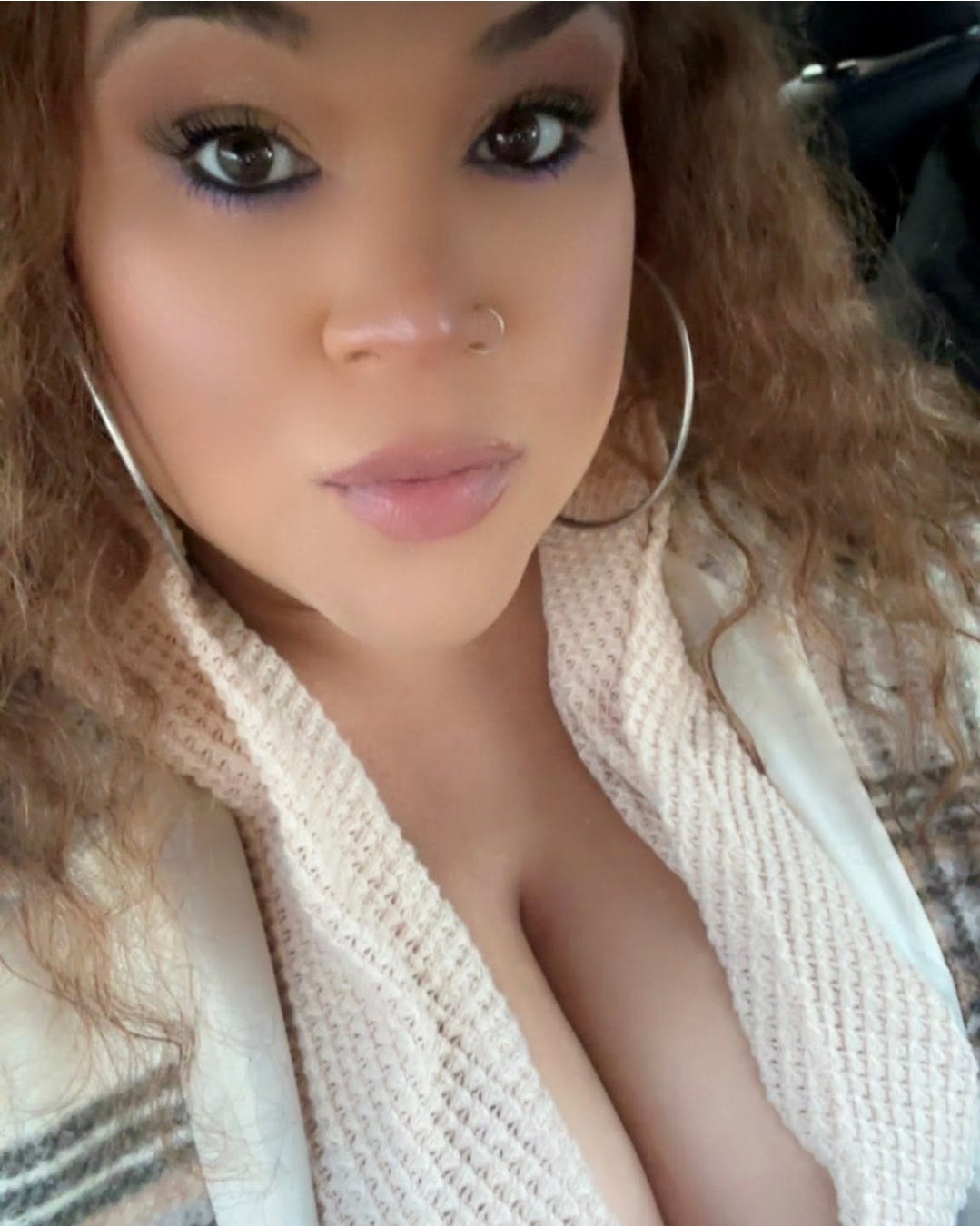
Before the public learned how Eryka Caldwell died, she had already told the world who she was. On Instagram, she described herself as a “Proud TS woman” and a “lover of everything sappy & mushy.” She shared pieces of a life that deserved to keep unfolding: photos of her mother, her best friend, meals she enjoyed, and captions that carried warmth instead of fear. She was not waiting to become a headline. She was already a whole person, already loved, already leaving evidence of tenderness behind.
Eryka Caldwell, 41, was stabbed to death Sunday morning inside her apartment in Bushwick, Brooklyn. Police arrested her boyfriend, Jonathan Fernandez, at the scene and charged him with second-degree murder and criminal possession of a weapon. Public records show Fernandez’s next court date is May 22, 2026, and that bail has been remanded, meaning he cannot currently be released. The facts of the case are brutal, but Eryka’s life cannot be reduced to the violence that ended it.
That distinction matters because trans women are too often introduced to the public through the language of death. Their names appear after emergency calls, after charges, after neighbors speak, after police statements become the first draft of their public memory. The violence becomes the frame, and the person becomes a detail inside it. Eryka Caldwell deserves the opposite: to be remembered first as a woman who loved openly, posted joyfully, honored her mother, celebrated her achievements, and belonged to people who knew more about her than the worst thing done to her.
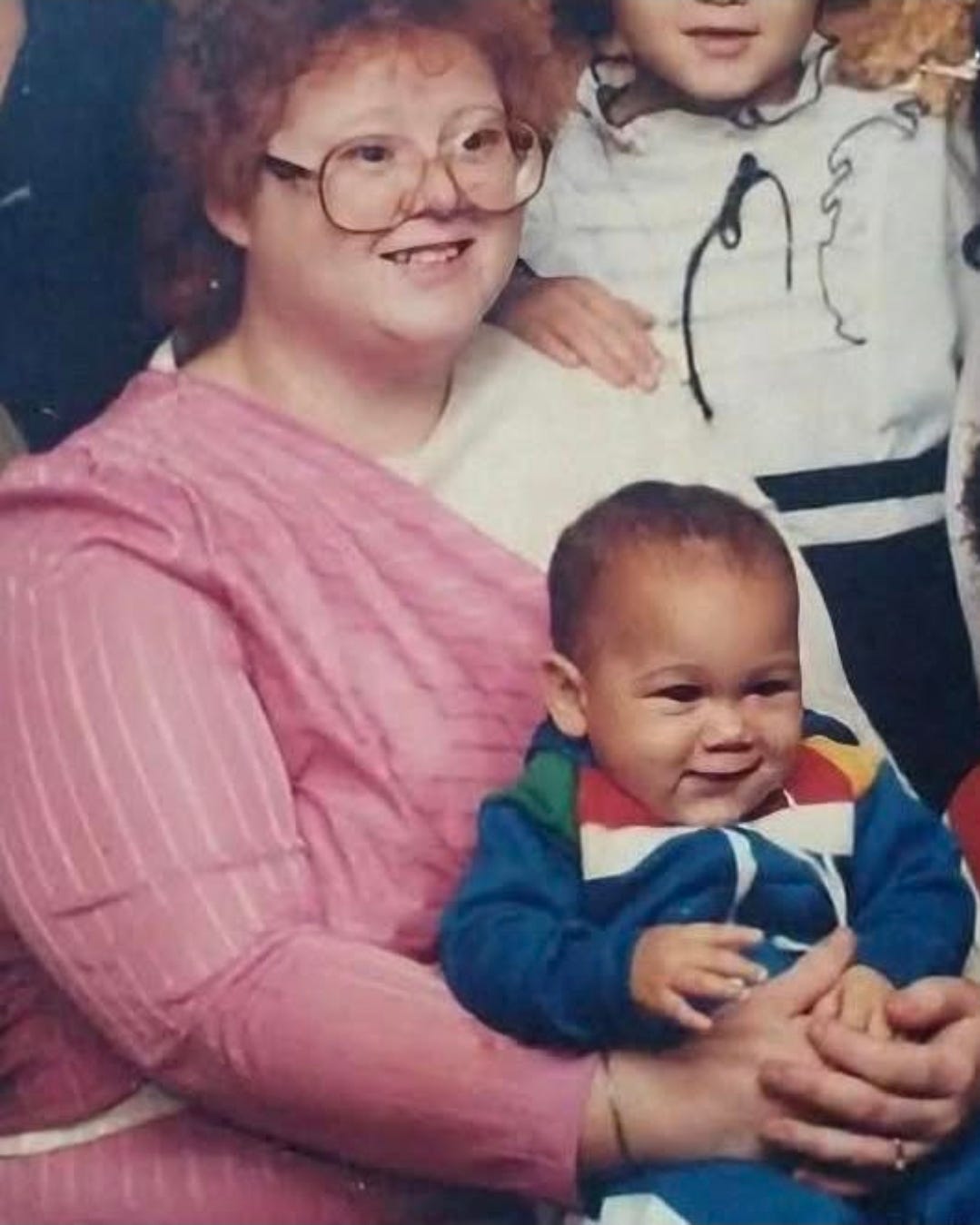
In January 2023, Eryka celebrated graduating from Bellevue University with a bachelor’s degree. That detail matters because it interrupts the flattening that happens after violence. She studied, achieved, posted, loved, grieved, and built a life with meaning beyond the final police report. Her social media presence carried personality, softness, pride, and memory. She left behind traces of someone who was not hiding from the world, even as the world remained dangerous for women like her.
In December 2023, Eryka posted a simple message: “To whoever I am important to, I love you.” That sentence now carries a devastating weight because it shows how she understood connection. She knew there were people to whom she mattered, people who would feel her absence, people who would read those words later and hear them differently. That is what violence steals when it takes a trans woman’s life: not an abstraction, not a political talking point, but an entire network of love, memory, care, and unfinished future.
That same month, Eryka wrote about her late mother in a Christmas post, reflecting on angels, parents, and the lessons she learned from her. It was the kind of public grief that tells you someone was still carrying love forward even after loss. She did not write like someone empty of feeling. She wrote like someone full of it — sentimental, reflective, proud, and connected to the people who shaped her. Those details are not decorative. They are part of the record.
According to local reporting, police had previously responded to domestic disputes between Fernandez and Caldwell. That matters because violence against trans women is rarely just one isolated moment disconnected from everything around it. When warning signs exist, when police have been called before, when a woman is later killed inside her own home, the public has to ask what protection failed before the final emergency response. Trans women should not have to survive escalating danger alone while systems arrive only after the harm has already become irreversible.
The New York Police Department told local outlets that Caldwell was stabbed multiple times and that her attacker fatally cut her throat. After officers responded, she was transported to One Brooklyn Health-Brookdale Hospital Medical Center, where she died. Those details are painful, and they should be handled with care, not spectacle. They matter because they show the severity of the violence, but they should never be allowed to swallow the fuller truth of who Eryka was.
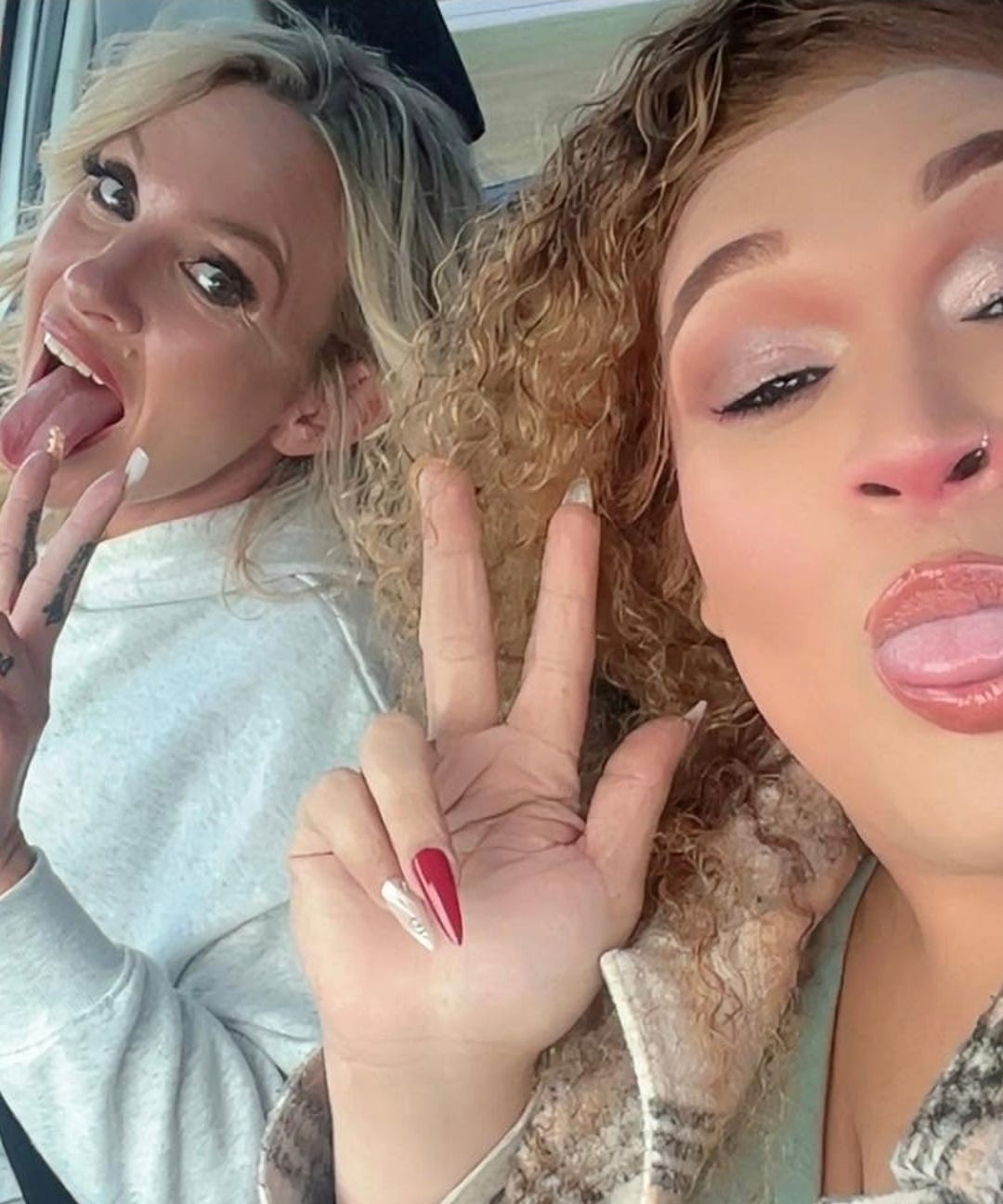
Eryka’s death sits inside a larger pattern of violence against trans women, especially trans women whose lives are too often treated as disposable until the public is forced to say their names. The pattern is not only in the killing. It is in the delayed attention, the lack of protection, the way trans women are discussed after violence, and the way danger is often recognized too late. Every case becomes a question of whether society will mourn publicly after failing privately.
This is why life-centered reporting matters. To write about Eryka Caldwell only as a victim would be another kind of erasure. She was a 41-year-old trans woman in Brooklyn, a graduate, a daughter who honored her mother, a friend, a community member, and someone who described herself with pride. She loved soft things, posted about food, shared affection, remembered people, and named herself before anyone else tried to define her. That is the humanity violence tried to interrupt.
There is a cruelty in how often trans women are asked to become symbols only after they are gone. Their lives are treated as urgent once they become vigils, hashtags, and headlines, but protection has to come before that. Protection means taking domestic violence seriously. Protection means recognizing that trans women face danger both in public and behind closed doors. Protection means refusing to let the world become familiar with their deaths while still failing to defend their lives.
Eryka Caldwell should be remembered with the fullness the violence tried to take from her. She was not just killed in Bushwick. She lived there, loved there, posted from there, built memories there, and left behind pieces of herself that people are now holding with grief. Her story deserves accountability, but it also deserves tenderness. The public record should not begin and end with the man charged in her death.
Eryka told the world she was a Proud TS woman. She told whoever she was important to that she loved them. Those words remain now, not as a farewell she should have had to leave, but as proof that she was here with love still moving through her life. The responsibility now is not only to say her name after violence. It is to build a world where trans women are protected before their names become the next unbearable headline.
Support the reporting that keeps trans lives from being reduced to silence after violence.
Eryka Caldwell’s story deserves more than a crime brief. It deserves public memory, accountability, and sustained attention to the pattern that keeps taking trans women while warning signs are ignored and protection arrives too late.
Upgrade to a paid subscription or support this work so we can keep documenting these stories with care, context, and pressure.
Touching, reverent story. Sad news but also a loud reminder of the danger of rhetoric in our society.
I am so very sorry