

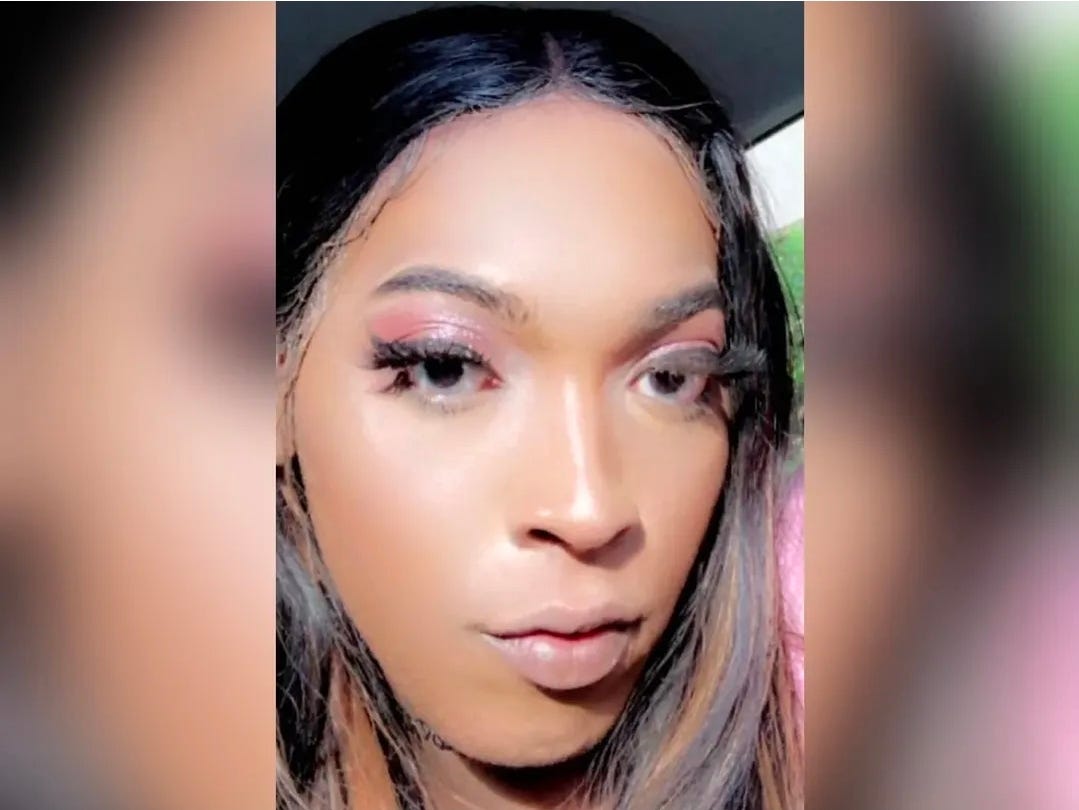
On January 2, 2026, Jade Roberts was found shot, wrapped in a tarp, and left inside an abandoned building in southwest Houston. Five months later, the silence around their death has become part of the story.
Jade was 25 years old. They were Black, trans, Texan, loved, remembered, and known by people whose memories carry more truth than a thin public record has offered. The violence that ended Jade’s life deserves direct naming, but Jade cannot be reduced to the place where police found them. Their life existed before the abandoned building, before the tarp, before the news segment, and before the systems around their death narrowed the public record into something smaller than the person.
Houston police found Jade at an old Wells Fargo building near Hillcroft Avenue, between Richmond and Westheimer. Local reporting said Jade had been shot, and police indicated there was a strong possibility they had been killed somewhere else before being moved there. Those are the facts that entered public view first, and they are horrifying enough on their own. But the way those facts were carried afterward matters just as much, because violent deaths of Black trans people often disappear through neglect long before the public understands what has been lost.
The case remains publicly thin. There is no widely reported suspect, no public closure, and little sustained media attention keeping Jade’s name in front of the city. A family can ask for answers and still be left waiting while the story fades from public view. A person can be named in a local report and still be misnamed, misgendered, undercovered, and disconnected from the broader pattern of violence that advocates are trying to document. That is how a death can remain technically visible while still being pushed toward erasure.
Jade’s death is a homicide story, but it is also a public-record story. The violence ended their life, and the aftermath shows how easily a Black trans person can be lost again when media language, police framing, incomplete coverage, and public silence shape the first version of the record. The record is not neutral. It decides what people can search, what advocates can count, what families have to correct, and whether a life is remembered fully or only through the institutional language attached to their death.
Local coverage identified Jade with male language. ABC13 framed the story around a “man” found dead and used he/his language in its report. Houston police identified the victim as Jadarius Roberts, also known as Jade. But community context, loved ones, public images, and the name Jade point to a fuller record than the first coverage carried. Jade should not be flattened into the language of a police file or a headline that failed to hold their identity with care.
Misgendering is not a minor wording problem when a Black trans person has been killed. The first public language around a death shapes how that person is searched, counted, archived, and remembered. If coverage misgenders someone, the death may not appear where advocates are looking for anti-trans violence. It may not be counted correctly. It may not be connected to the pattern that makes Black trans life so vulnerable in the first place. A headline can become part of the disappearance.
This article names Jade as a Black trans and gender-nonconforming Texan because the public record should not be allowed to erase what local coverage failed to carry. That does not require pretending every detail in the available record is simple. It requires care, transparency, and a refusal to let the most official language automatically become the truest language. When the person can no longer correct the record themselves, the responsibility to hold that record carefully becomes even more urgent.
Jade was born in Texas and had ties to Center and San Augustine. They graduated high school, studied at Blinn, and worked in a skilled nursing facility. Friends remembered Jade’s gift for styling hair and their sense of fashion. Family and public memories suggest someone who was loved, someone who was seen, and someone whose life cannot be reduced to the way their death was first reported.
Those details matter because Black trans people are too often introduced to the public through the worst thing that happened to them. Their education, work, style, care, humor, relationships, and ordinary presence get pushed behind the crime scene. The public receives a location, a police statement, a short burst of coverage, and then silence. Jade deserves a record that holds more than the violence.
The story also belongs inside a larger Trans United frame: anti-trans violence does not end with the act that takes a life. It continues through systems that misname, undercount, underreport, and ignore trans people after they are gone. When federal systems weaken gender-identity data, when local media misgenders victims, and when public attention disappears after the first report, the result is a record that makes anti-trans violence harder to see. Erasure does not always arrive as one dramatic act. It often arrives through ordinary institutional failure repeated enough times to look normal.
Jade’s case shows what that looks like on the ground. A Black trans person is killed violently in Houston. The first public coverage misgenders them. The case receives limited attention. Months pass without public answers. Community members, advocates, and loved ones are left to keep the name visible while the wider public barely sees the pattern because the record was already distorted at the point of entry.
That distortion matters beyond one article. If a Black trans person’s violent death is reported only as the death of a “man,” the public archive absorbs that error. Search engines absorb that error. Databases may absorb that error. Future readers trying to understand the scale of violence against trans, nonbinary, and gender-nonconforming people may never find the case unless someone corrects the language and restores the context. Misgendering after death can turn into a long-term data failure.
Jade was not only left in a place the city could ignore. Jade was also pushed into language that made their transness easier to disappear. The same public record that should help preserve the truth can become part of the harm when it misnames the person, narrows the story, and then stops following up. That is why the silence five months later is not separate from the violence. It is part of the aftermath.
For Black trans people, this danger is especially severe. Black trans women, Black trans feminine people, and Black gender-nonconforming people have long been treated as disposable by systems that ignore them in life and misname them in death. Even when the exact language around a person’s identity requires care, the pattern remains clear. Black trans and gender-nonconforming people are often pushed out of the public record by the same institutions that claim to be documenting public harm.
Advocates tracking violent deaths of trans, nonbinary, and gender-nonconforming people have identified Jade among those killed in 2026. The number is difficult to hold because the record is damaged before the count even begins. Misgendering, underreporting, family fear, police language, media neglect, and missing gender-identity data all shape what the public is allowed to know. The count matters, but the difficulty of building the count is part of the crisis.
Texas is part of this story because Jade was a child of Texas, and Texas is not neutral ground for trans people. The state has been one of the loudest centers of anti-trans policy, anti-trans rhetoric, and political campaigns that treat trans existence as something to control, restrict, and punish. Jade’s death should not be falsely explained by policy alone, because there is no public evidence that one law caused this homicide. But climate matters, because public dehumanization teaches people whose pain can be ignored and whose deaths can be treated as less urgent.
When a state spends years telling the public that trans people are threats, frauds, problems, or political targets, that message does not stay inside legislative chambers. It moves through schools, workplaces, families, hospitals, police departments, media coverage, comment sections, and the ordinary decisions people make about whose death deserves follow-up. Jade’s killing is a specific case that deserves answers on its own terms. The silence around it belongs to a broader structure that has failed Black trans people again and again.
A public record is shaped by decisions. Those decisions determine how a person is named, whether their identity is carried with care, whether the first report is corrected, whether the case receives follow-up, and whether the public is given enough context to understand what was lost. In Jade’s case, the first public framing already narrowed who they were. When that narrow framing is followed by limited coverage and months without public answers, the record does not simply remain incomplete. It becomes part of the erasure.
Trans United exists because those decisions cannot be left only to systems that have already shown how easily they erase. Keeping Jade in the record is not spectacle, true crime, or a demand for grief to become content. It is a refusal to let public memory be shaped only by police language, incomplete reporting, and the silence that follows when the victim is Black and trans. The work is to restore personhood where the record has flattened it, and to keep attention where public systems have allowed it to fade.
This article is trying to protect Jade Roberts from being reduced to the most violent thing that happened to them. Jade had a life before the abandoned building, and that life deserves to remain visible after the public record tried to narrow their story into a brief report and move on. Five months later, the lack of public answers is not only a gap in the case. It is evidence of how Black trans death can be treated as a passing item instead of a continuing demand for truth.
Jade Roberts’ life mattered before the violence, and their memory deserves more than a thin public record after it. Their name belongs in the record with care. Their identity belongs in the record with care. The silence around their death should not be allowed to become the final version of the story.
STAND WITH TRANS UNITED
Jade Roberts should not have to be recovered from silence after violence already took them from their family and community. The public record should not misname Black trans people, flatten their identities, or leave their deaths to be carried only by grieving loved ones and the people who refuse to let them disappear.
Trans United keeps these records public because erasure is part of the harm. When Black trans lives are misgendered, undercovered, or pushed out of the count, the work is to correct the record, hold the memory with care, and make sure silence does not get the last word.
Upgrade to a paid subscription to support public records that keep Black trans lives visible, named correctly, and protected from erasure.
Connected report:
The Trump administration’s erasure of gender-identity data is part of the larger public-record crisis this article names.
The Trump Administration’s Erasure of Harm Against Trans People from the Internet — How Federal Data Changes Hide Violence

Have you noticed the sudden drop in media reporting about violence against transgender people? In recent months, fewer national stories have documented killings, assaults, and hate-motivated attacks targeting trans communities. That silence does not necessarily mean the violence has stopped. In fact, the explanation may lie elsewhere — in changes to the…
Very dangerous times for anyone who stands out, especially our trans community. For those of us who having relatives that we worry about, offer them safety and keep in touch often.
If at all possible, I would get out of Texas. I know that isn’t always possible so is there survival strategies literature available for black trans women?