

Celia Haueter and Chelsi Way had gone to a concert with Zach Chearhart and David Supal before ending the night at MGM Grand Detroit. Shortly after 1 a.m. on July 13, 2025, the four were waiting in the casino’s valet area for their car when a night out turned into an attack that would leave Haueter seriously injured and reshape the life she shared with Way.
William James Wilson, a Texas man later arrested and prosecuted in the case, was one of two men who approached the group. According to the victims’ accounts, Wilson began recording them with his phone, mocked them with pronouns and shouted homophobic slurs before the harassment escalated into physical violence.
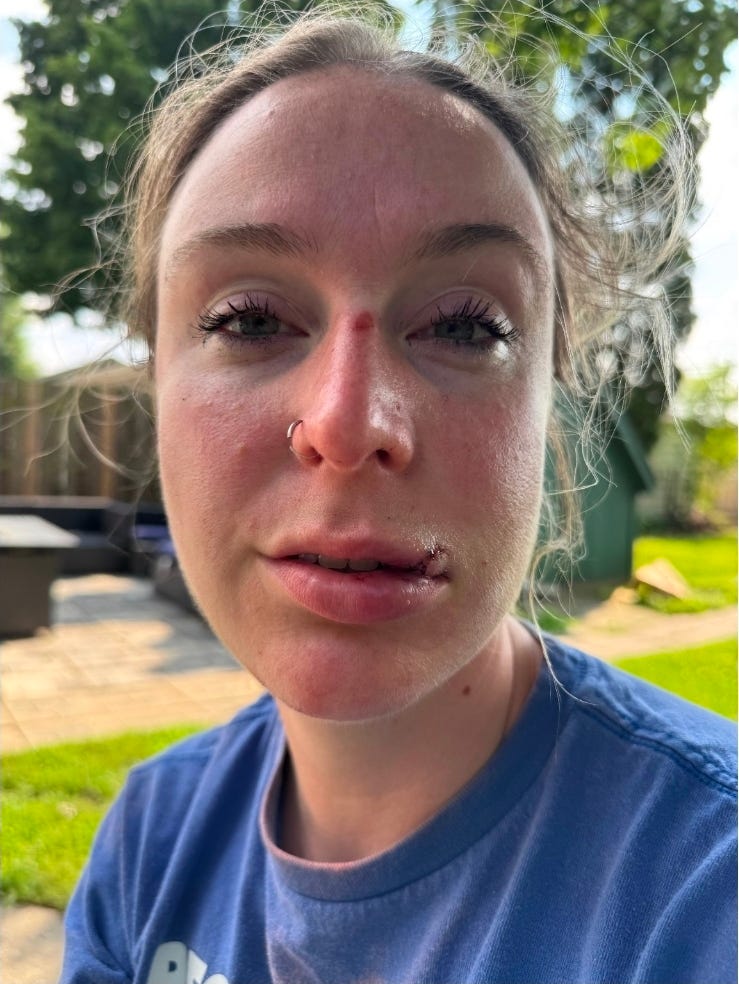
Way says Wilson struck her in the face, and Chearhart was also hit during the confrontation. When Chearhart bent down to retrieve his glasses, Way says Wilson turned toward Haueter and began repeatedly swinging at her. Haueter was knocked unconscious and suffered a deep cut to her lip, extensive facial bruising, a black eye and a severe concussion. Contemporary reporting documented that she required more than 20 stitches.
The damage continued long after the visible injuries began to heal. Haueter has described debilitating headaches, memory problems and difficulty finding or expressing words, while she and Way have said the attack left her dealing with severe anxiety and post-traumatic stress. Their civil case describes her injuries as including a traumatic brain injury and places the continuing neurological and psychological consequences at the center of what the couple says was taken from them that night.
Way has described Haueter before the attack as outgoing and eager to attend concerts and live her life in public. Their life afterward became narrower. The couple has described pulling away from places and experiences they once enjoyed because pain, fear and neurological symptoms followed them home, turning an attack outside a casino into an injury that continued inside their daily lives.
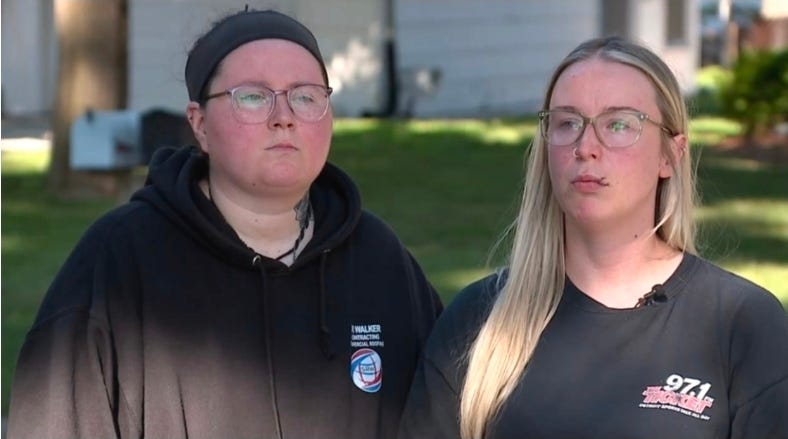
That continuing harm now sits beside a central allegation in the civil case: the plaintiffs say MGM personnel had been warned about threatening behavior before Haueter was beaten unconscious. According to their account, someone in the group went inside MGM Grand Detroit seeking security help before the violence reached its worst point, placing the timing of that warning at the center of the lawsuit.
The couples say security personnel eventually came outside but failed to provide the protection they had sought. Way has said workers and security personnel remained nearby while the violence unfolded and that some recorded what was happening on their phones. Those allegations focus scrutiny not only on what employees did once physical violence was obvious, but on what casino personnel knew before Haueter suffered the injuries that continue to affect her.
MGM-provided security information reported publicly describes a timeline beginning once valet employees documented the physical altercation. According to that reported account, valet employees observed the violence at approximately 1:13 a.m., contacted security dispatch and called 911. Security personnel arrived around 1:14 a.m., Detroit police arrived around 1:16 a.m., and an ambulance arrived around 1:25 a.m.
That reported timeline shows an emergency response beginning once valet employees documented the physical assault, but the plaintiffs’ account places the casino’s first warning earlier. Their lawsuit therefore turns on what happened during the period before approximately 1:13 a.m.: when security first received notice, what employees understood about the developing threat and whether casino personnel had an opportunity to protect the group before the violence escalated.
The answer depends on records that could establish when the warning reached MGM personnel and how it was handled. Security dispatch records could show when the first request for help was received, surveillance footage could establish what employees were positioned to see, and witness or employee accounts could clarify whether Wilson had already been identified as a threat before Haueter was knocked unconscious. Those questions are not peripheral to the case; they define the alleged warning window at the center of the plaintiffs’ claim.
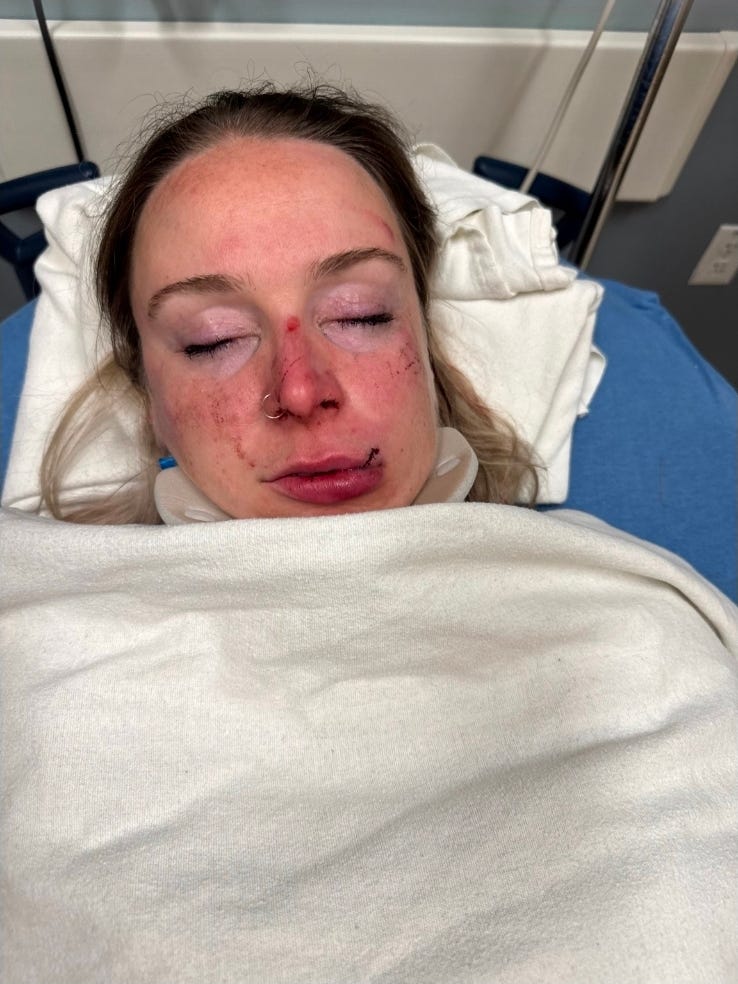
Way has described the immediate aftermath as another moment when the couple felt abandoned. She says Haueter was bleeding on the ground while casino personnel brought a rolling chair and paper towels, and that patrons outside the casino were among the people who tried to help them physically after the attack.
The lawsuit also alleges MGM continued serving Wilson alcohol despite signs that he was already intoxicated. That allegation extends the scrutiny beyond the moments immediately surrounding the assault by raising questions about what casino employees knew about Wilson before and during the confrontation and whether his condition had become apparent before the violence intensified.
MGM’s public response after the attack remained limited. When CBS Detroit sought comment in July 2025, the casino directed questions to the Detroit Police Department. Other local reporting said MGM declined to issue a written statement while saying by phone that it was cooperating with police.
Wilson left the immediate valet area after the violence, but Way did not let him disappear from sight. According to her account, she followed him for roughly three miles and helped direct police to his location, leading officers to arrest him after she had just watched her wife lose consciousness.
Wayne County prosecutors initially announced eight charges against Wilson: assault with intent to do great bodily harm, aggravated assault, two counts of assault and battery and four hate-crime counts involving force or physical injury. The prosecution unfolded under Michigan’s expanded hate-crime law, which had taken effect only months before the attack and expressly protects people targeted because of sexual orientation and gender identity or expression.
The criminal case ultimately ended far more narrowly than the original charging announcement suggested. Wilson later pleaded guilty to one count of hate crime causing bodily injury and attempted assault with a dangerous weapon, while WDIV reported that seven charges were dismissed as part of the plea agreement. On March 17, 2026, Judge Bradley L. Cobb sentenced him to two years of probation.
Way has said she believes that outcome treated Wilson too leniently. Her reaction comes after months of watching Haueter struggle with the consequences of the attack while the criminal case moved from eight announced charges to a plea agreement and probation.
The criminal prosecution addressed Wilson’s individual conduct, but it could not resolve what MGM personnel knew before Haueter was injured. That question now sits inside the civil litigation brought by Haueter and others involved in the attack, where the plaintiffs are seeking accountability for what happened on casino property while LGBTQ+ patrons say they were asking for protection.
The lawsuit alleges MGM personnel had notice before the violence escalated, failed to provide adequate protection and recorded portions of the confrontation rather than stopping it. It also challenges the casino’s alleged service of alcohol to Wilson while he was intoxicated, placing both the security response and the property’s handling of Wilson under examination.
Those allegations make MGM’s internal records critical to understanding the sequence. Surveillance footage could establish where Wilson was before the attack and what employees could see, security records could document when help was first requested, and employee statements could show who knew the group had reported a developing threat. Casino records could also address the allegation that Wilson continued receiving alcohol despite visible intoxication.
The couples’ account and MGM’s reported timeline converge on a narrow but consequential period before the physical altercation was formally documented at approximately 1:13 a.m. The plaintiffs say MGM already had warning by then, making that earlier period the point where the civil case can test whether casino personnel had an opportunity to intervene before Haueter suffered catastrophic injuries.
Security cannot be measured only by the speed of the response after someone has already been knocked unconscious. When patrons report an escalating threat, the institution responsible for the property is also judged by what happens when that first warning reaches its employees and whether the information produces protection before violence reaches its worst point.
Haueter and Way were waiting for their car after a night out when the attack began, and they have spent the months since living with consequences that extended far beyond the valet area. Haueter says she came away with a traumatic brain injury, persistent headaches, memory problems and a life narrowed by anxiety and fear, while Way carries the memory of watching her wife beaten unconscious and then following the man accused of attacking them until police could make an arrest.
The criminal system ultimately produced probation, leaving the civil case to examine the institutional questions the prosecution could not answer. At issue now is when MGM personnel were first warned, what they knew before the violence escalated and what action followed from that knowledge.
Those answers cannot restore Haueter’s health or return the life she and Way had before July 13. They can establish whether a major casino had an opportunity to protect four LGBTQ+ patrons before homophobic harassment became catastrophic violence, and whether that opportunity was lost while the people asking for help remained exposed.
Celia Haueter and Chelsi Way are still living with the consequences of an attack that did not end when the violence stopped. Their case now reaches into questions about MGM’s security response, criminal accountability and a civil fight over what casino personnel knew before Celia was beaten unconscious.
Trans United follows those systems beyond the first headline, documents the decisions that expanded the harm and keeps the people targeted at the center of the record.
Upgrade to a paid subscription to support independent reporting that traces how anti-LGBTQ violence is handled by corporations, police, prosecutors and courts after the cameras move on.
This is awful! I think I would have unalived that sob🥴 !!! Its self defense because he could have killed her!!