

SANANDAJ, IRAN — Mahshid, a trans woman from Sanandaj in Iran’s Kurdistan Province, was found dead on 30 May near Jehad Junction in the center of the city, according to the Kurdistan Human Rights Network. Passers-by discovered her body, which reportedly bore multiple stab wounds, before police arrived and transferred her remains to the forensic medicine department.
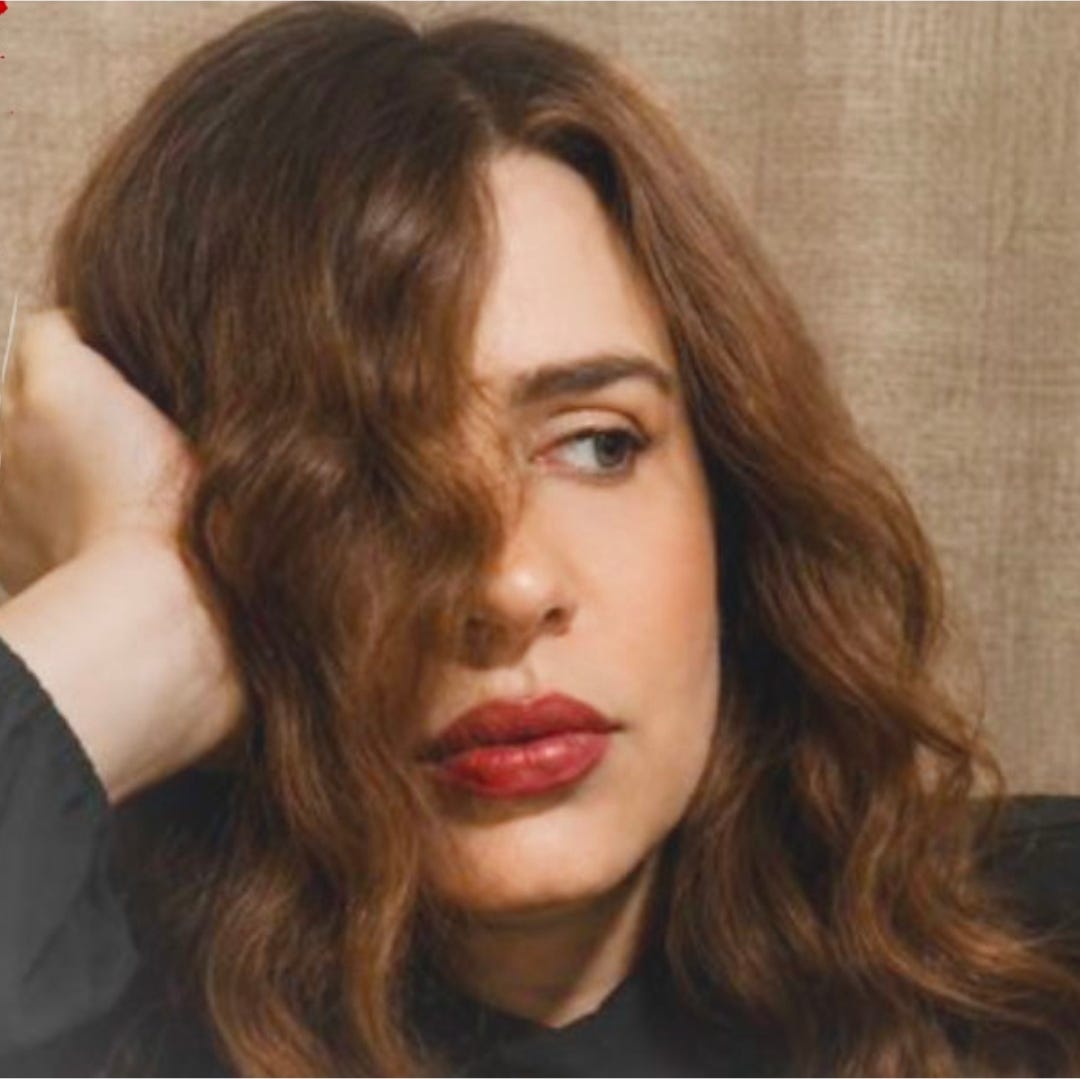
KHRN reported that Mahshid was about 30 years old and came from a poor family in Sanandaj’s Golshan neighborhood. Before she became a police report, Mahshid was a woman moving through daily life in Sanandaj. She had a neighborhood. People knew her name. She navigated the pressures of poverty and trans survival in a society where visibility can carry its own risks. The public record now reaches her only through the details left behind after violence, but those details should not be mistaken for the full measure of her life.
Those details matter because poverty is not background when a trans woman is killed in a society where protection is already unevenly distributed. Poverty narrows the routes to safety. It limits who can leave, who can seek help, who can disappear from danger before danger reaches them, and who is likely to be remembered only after violence has already taken their life.
The exact location of the killing has not been confirmed. Mahshid’s body was found near Jehad Junction, but available information suggests the attack may have involved the driver and passenger of a car who allegedly abandoned her body after stabbing her multiple times. The identity of the perpetrator or perpetrators has not been established, and no public record has confirmed a motive, arrest, or judicial outcome at this stage.
That absence of information is part of the story. When a trans woman is found dead in public with multiple stab wounds and the known record remains this thin, the silence around the case becomes another form of harm. It leaves the public with fragments: a name, a city, a body found by strangers, a possible vehicle, unidentified attackers, and a life reduced to what can be recovered after violence. For trans women, that is often how official memory begins and ends.
Mahshid deserved more than fragments. She was not only the victim of a knife attack. She was a person whose life unfolded inside the pressures placed on trans women in Iran: social rejection, legal vulnerability, economic precarity, family and community violence, and limited state protection. Those pressures do not explain away the killing. They explain why violence against trans women can become easier to carry out, easier to ignore, and harder to prosecute with the seriousness it demands.
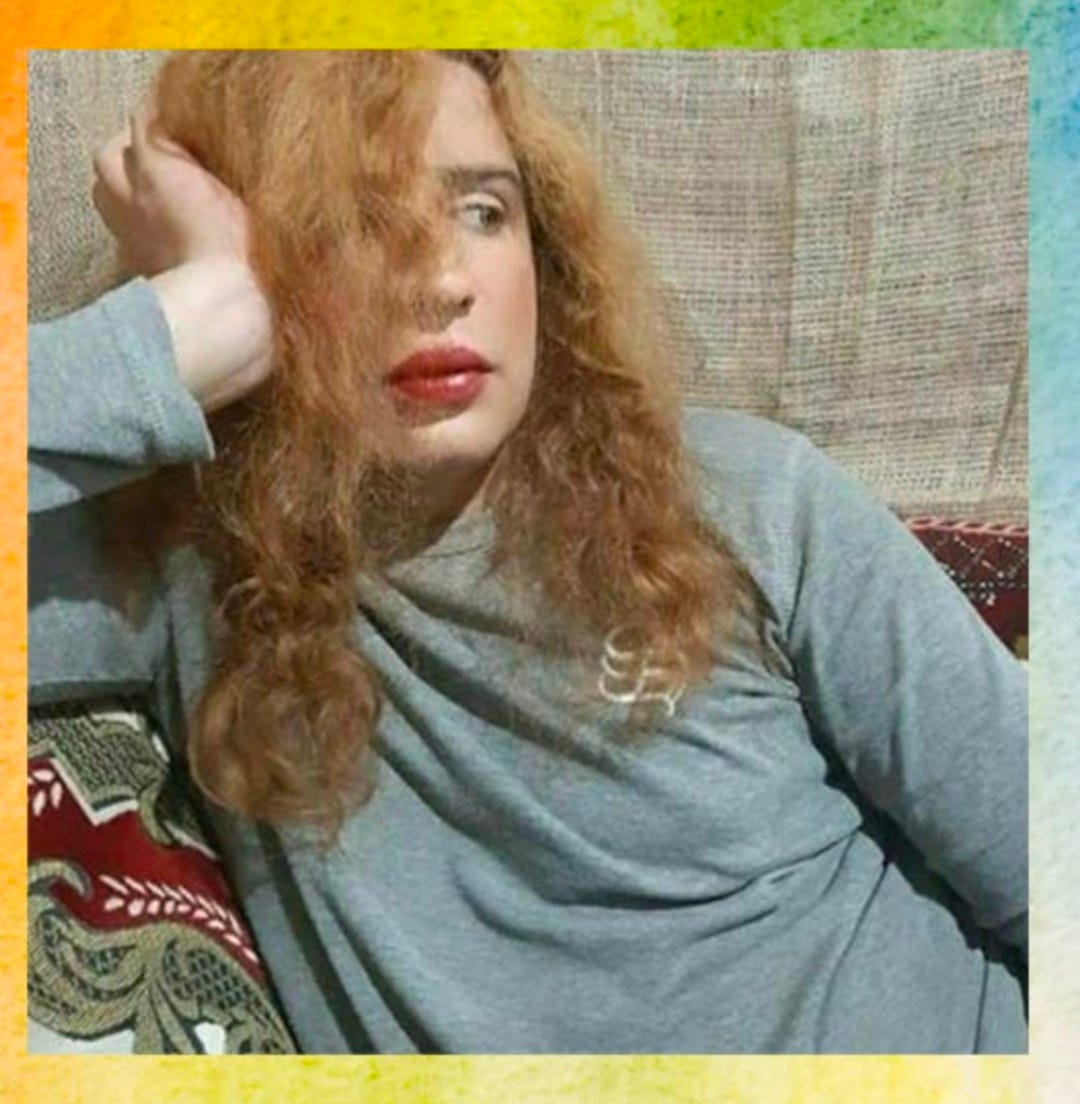
Human rights advocates have repeatedly warned that trans women in Iran are among the hidden victims of femicide and gender-based violence. Their deaths may not be counted as part of a broader pattern. Their disappearances may not be pursued with urgency. Their assaults may be treated as isolated incidents instead of signs of structural abandonment. When the victim is trans, the public record can become narrower, colder, and easier for officials to leave unfinished.
This is why Mahshid’s poverty, neighborhood, and trans identity cannot be treated as incidental details. They are part of the conditions surrounding vulnerability. A trans woman from a poor family in Sanandaj did not have the same protection as people whose lives are automatically treated as worthy of public concern. When someone like Mahshid is killed, the question is not only who held the knife. The question is also what kind of society leaves trans women so exposed that their deaths can pass through the world with so little public alarm.
The known facts are limited, but they are enough to demand public memory. Mahshid was about 30. She was from Golshan. She was found near Jehad Junction. Her body had multiple stab wounds. Police took her to forensic medicine. The perpetrator or perpetrators remain unidentified. Those facts should not shrink into a small human rights notice, a few social posts, and then silence.
There is a particular cruelty in how trans women are treated after violence. First, they are denied safety in life. Then, after death, they are denied the full weight of public mourning. Their names are misreported, hidden, mocked, or forgotten. Their stories are treated as too marginal for sustained attention. Their deaths are separated from the conditions that made them vulnerable in the first place.
Mahshid’s death belongs in the record because every killing left unnamed as part of a pattern makes the next one easier to ignore. The violence does not have to be officially named as anti-trans for anti-trans vulnerability to shape the case. The state does not have to announce neglect for neglect to be visible in the absence of protection, the absence of urgency, and the absence of full public accounting.
Trans women do not become visible only when they are dead. They should not have to be found by passers-by in the middle of a city before the world is forced to say their name. Mahshid was alive before she became a case. She had a home neighborhood, a family background, a body that carried her through a hostile world, and a life that should have been protected before it was mourned.
Her name should not disappear.
Mahshid’s death is not only a report from Sanandaj. It is part of a larger record of what happens when trans women are pushed to the margins in life and then denied full recognition after violence.
Trans United exists because survival should not depend on whether the world chooses to notice after harm is already done. Housing, protection, documentation, and public memory are all part of the same fight: keeping trans lives from being treated as disposable.
Upgrade to paid subscriptions to help carry the reporting behind this work.