

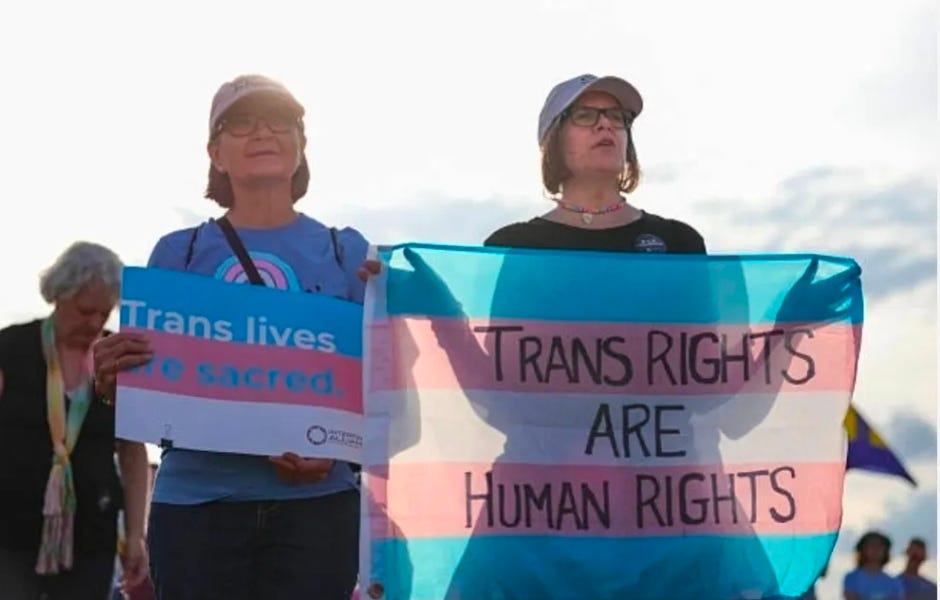
A new GLAAD poll shows the gap between what anti-trans politicians keep pushing and what many voters say they actually care about.
The survey, released June 1, found that only 8% of voters identified transgender issues as a top concern. By comparison, 44% named inflation and the rising cost of living as their number-one priority. The contrast is not small. It shows that while some Republican politicians are trying to make trans rights a major issue ahead of the 2026 midterm elections, many voters are focused on rent, groceries, housing, healthcare, wages, and the cost of staying afloat.
That matters because anti-trans politics does not happen in isolation. It is being used as a public distraction while families are under economic pressure and while trans people are forced to carry the consequences of manufactured fear.
The GLAAD survey included more than 5,000 U.S. adults. It found that seven in 10 voters would rather support candidates focused on lowering everyday costs than candidates focused on restricting trans rights. Nearly three-quarters of respondents said they would support a candidate who believes everyone deserves to live free from fear and discrimination.
Those findings cut against the idea that anti-trans policy is some overwhelming public demand. The poll suggests something different: voters are tired of politicians turning vulnerable people into campaign material while everyday costs keep rising.
The survey also found that 65% of respondents agreed that politicians often scapegoat transgender people as a distraction from other pressing issues facing the country. That is the central public harm. Trans people are not being targeted because their lives are the source of the country’s problems. They are being targeted because fear is easier to sell than solutions.
For trans people and trans kids, that political choice is not abstract. Anti-trans laws and campaigns reach into schools, healthcare, housing, bathrooms, sports, public records, family life, and personal safety. They tell trans people that their existence is a problem to be debated, restricted, and punished. They turn ordinary life into a policy battlefield.
At the same time, the same politicians pushing those attacks often avoid the issues voters say are most urgent. A bathroom bill does not lower rent. A healthcare ban does not reduce grocery prices. A sports restriction does not make wages livable. A campaign ad attacking trans people does not build housing, expand healthcare, or make families safer.
That is why the poll matters. It does not say anti-trans politics is harmless. It shows that many voters recognize the misdirection.
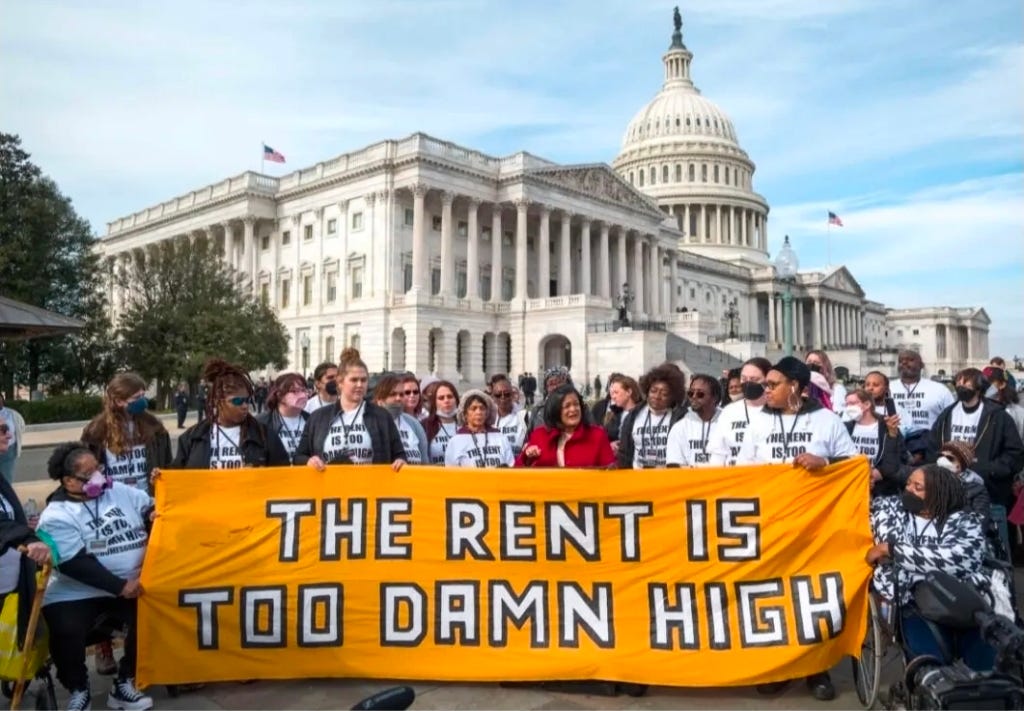
GLAAD CEO Sarah Kate Ellis said the results confirm that most Americans believe people should be treated with basic dignity and respect. She said voters are tired of divisive culture wars that distract from the real issues keeping families up at night, including the rising cost of housing and everyday life.
That framing is important because anti-trans politics is often presented as a separate cultural debate. It is not separate. It is tied directly to power, money, public attention, and political survival. When politicians choose scapegoating over material solutions, they are making a governing choice. They are choosing who gets blamed and who gets ignored.
The poll also measured attitudes toward corporate support for LGBTQ+ communities. Sixty-eight percent of respondents said companies should be free to support LGBTQ+ people if they choose, while 62% said they were comfortable with brands participating in Pride events. More than three-quarters said they trust companies that stand by their values, even when doing so becomes controversial.
Those numbers matter in a moment when anti-LGBTQ+ pressure campaigns try to make public support look toxic. The survey suggests that many Americans are not demanding that companies, candidates, or public institutions abandon LGBTQ+ people. They are asking leaders to focus on the problems shaping daily life.
For Trans United, the issue is survival. Trans people are not separate from the housing crisis. Trans people are not separate from healthcare access. Trans people are not separate from wages, food costs, safety, family stability, or public discrimination.
A trans person facing eviction is living inside the housing crisis. A trans worker struggling with medical bills is living inside the healthcare crisis. A trans kid targeted at school is living inside the fight over public safety and dignity. Anti-trans politics tries to isolate trans people from everyone else so harming them can be framed as a separate issue.
It is not separate.
The survey shows that voters can see the distraction. They know the cost of living is rising. They know housing is unstable. They know families are under pressure. They know scapegoating trans people will not lower bills, reduce rent, expand healthcare, or make communities safer.
That is why this belongs in the public record.
Anti-trans politics is not only a moral failure. It is a governing failure. It asks the public to accept cruelty in place of answers. It turns trans people into targets while the same economic pressures keep hurting everyone.
The GLAAD poll does not mean the danger is over. It means the strategy can be named: politicians are trying to make trans people the issue while voters are saying survival, housing, healthcare, and the cost of living are the real crisis.
And trans people deserve to survive without being turned into someone else’s distraction.
This report is part of the public record on anti-trans politics, scapegoating, cost of living, housing pressure, healthcare access, LGBTQ+ rights, and the survival conditions facing trans people and trans kids.
Upgrade or subscribe to support Trans United and the work that keeps these records public.
The poll below points to a larger question: anti-trans politics keeps getting pushed into the spotlight, but voters are naming survival issues first.
So here is the question.
You're right. The fact that support isn't unanimous after decades of people simply asking to live openly says a lot about how deeply prejudice is still embedded in society.
I am ashamed of these numbers, I am ashamed of people Not being 100% on board with someone being their true, authentic, self-actualized self. The bigotry disgusts me.