

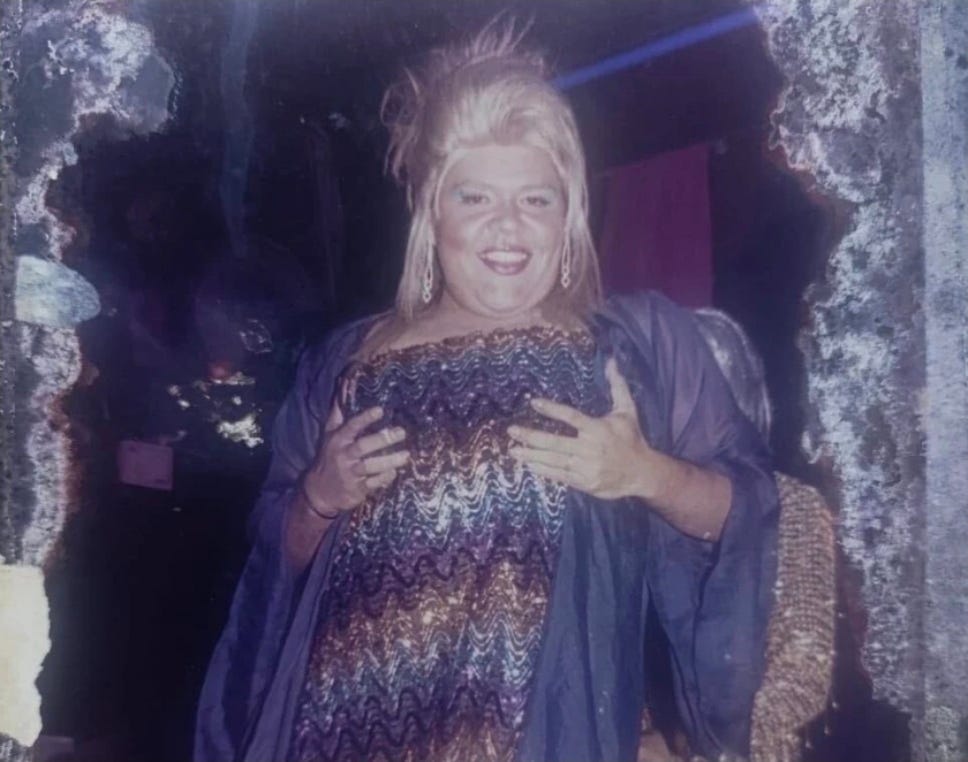
Q had spent decades building a life around hair, family and service long before ICE entered her story. She began cutting hair as a teenager and became a skilled stylist whose income helped support relatives. Through Fundación LGBTI Gente Bella, she also helped organize food, medicine, funeral assistance and haircuts for people who needed them. That work existed alongside danger. Q said she had already survived severe anti-trans violence in Venezuela, including an attack that left a large scar across her chest. In 2025, she came to Michigan looking for a place where she could work, live openly and move through the world with less fear.
Pontiac began to give her pieces of that life. Q found work at a barbershop, made friends, joined a church and built a chosen family around her. As her 50th birthday approached in February 2026, those friends were preparing to celebrate with her. ICE arrested her before that birthday arrived and sent her to North Lake Processing Center in Baldwin, Michigan. Q told staff she was trans, yet ICE placed her in a male housing unit and assigned her a male bunkmate. The life she had begun building in Michigan was replaced by confinement inside one of the country’s largest immigration detention facilities.
Q said the danger inside North Lake grew over several weeks. She described her bunkmate exposing himself, masturbating near her and escalating the sexual harassment while they shared the same housing area. Q said she asked to be moved and repeatedly tried to tell staff she did not feel safe in the male unit. She was told the alternative could be isolation. In the early hours of March 16, Q said her bunkmate attacked her, strangled her with a bedsheet and forcibly penetrated her. Afterward, she said she tried to call the facility’s emergency line and received no answer before finally reaching staff for help.
Medical records documented what followed. Q was taken for treatment and referred for a Sexual Assault Nurse Examiner examination. Records obtained by Michigan Public documented bruising, bite marks and anal tearing. The next day, Q told a Lake County sheriff’s deputy she wanted to press charges. Her bunkmate denied physical or sexual contact. Two days after Q spoke with the deputy, ICE transferred her out of North Lake.
Over the following weeks, ICE moved Q through four additional detention facilities in Texas and Arizona. By mid-April, ICE had deported her to Venezuela. ICE said its sexual-assault investigation was still open when she was removed from the United States, while the local prosecutor was also reviewing the case. Deportation separated Q from the people who had supported her in Michigan and returned her to the country where she had previously said anti-trans violence made her fear for her life.
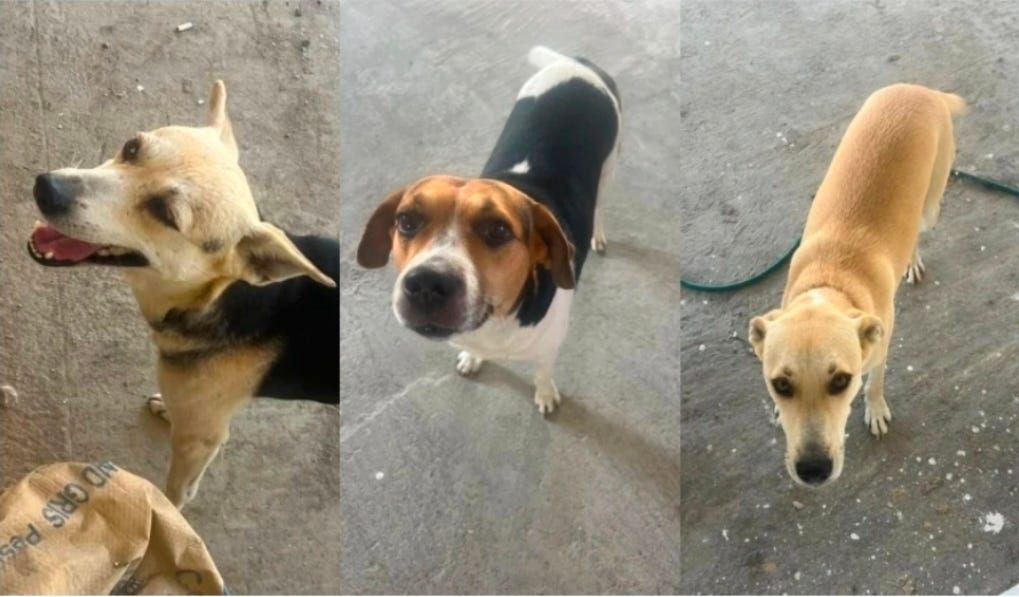
Back in Venezuela, Q settled with her sister and niece in Barquisimeto. Her family says she initially tried to keep a low profile, but home also meant returning to Flecha, Vaca and Buda, the three rescued dogs she called her children. Her niece, Rosaura Quintero, described a woman who would sometimes give up her own food to make sure the dogs ate and who found joy in cooking and providing for the people and animals around her.
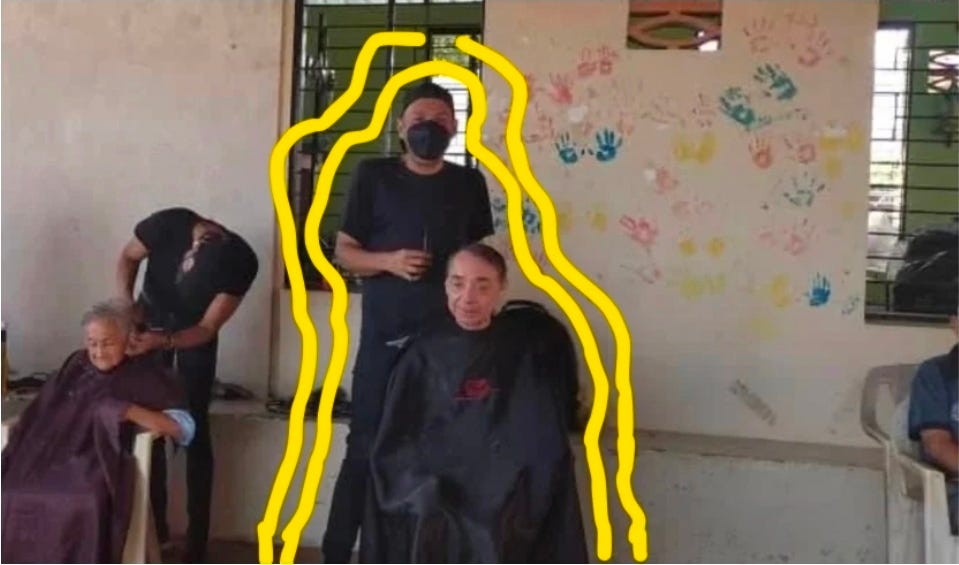
Back in Barquisimeto, Q resumed the community work that had survived every disruption in her life. Through Fundación LGBTI Gente Bella, she joined other hairstylists in providing haircuts for older adults and continued helping people who needed food, medicine and other support. Her niece remembered Q as the person who helped pull the family through difficult periods, and that same instinct to care for others remained part of how she rebuilt her life after deportation.
The injuries from North Lake followed Q back to Venezuela. She told Michigan Public that she needed surgery for injuries she said came from the sexual assault and finally received that treatment in October. Afterward, she wrote that she felt healed and wanted to keep working for the LGBTQ community. She continued delivering food to people in need and hoped one day to create a permanent space where LGBTQ people could find support, care and community.
On November 2, Q left to make another food delivery. Her niece says she was attacked and beaten during that trip. Hospital records documented multiple blows and a severe traumatic brain injury. Q never recovered. Eleven days later, on November 13, her family removed her from life support at Hospital Central Universitario Dr. Antonio María Pineda in Barquisimeto. She died at 50.
Q died before the investigation into what she reported inside North Lake reached an end. ICE had already removed her from the United States, but the questions surrounding her treatment in detention did not leave with her. What ICE knew after she asked for help, how she remained in a male unit while describing escalating danger, and why she was deported while the investigation was still open now remain part of the accountability owed to Q.
Trans United documents violence against trans people and follows these cases beyond the first headline. If you value this reporting, please upgrade to a paid subscription to support continued independent coverage. We are 100% reader-funded.
The inhumane treatment of people in these “detention centers” is a disgrace and one more lasting stain on this foul Administration but the treatment of trans folk is even worse and as a deliberate and insanely cruel choice of their jailers. A Nuremberg-style inquiry would not be inappropriate.
R*ped and murdered because of ICE. Blood on their hands and a stain on this country.