

⚠️ Content warning: anti-trans violence, murder, sexual violence, torture, and child coercion.
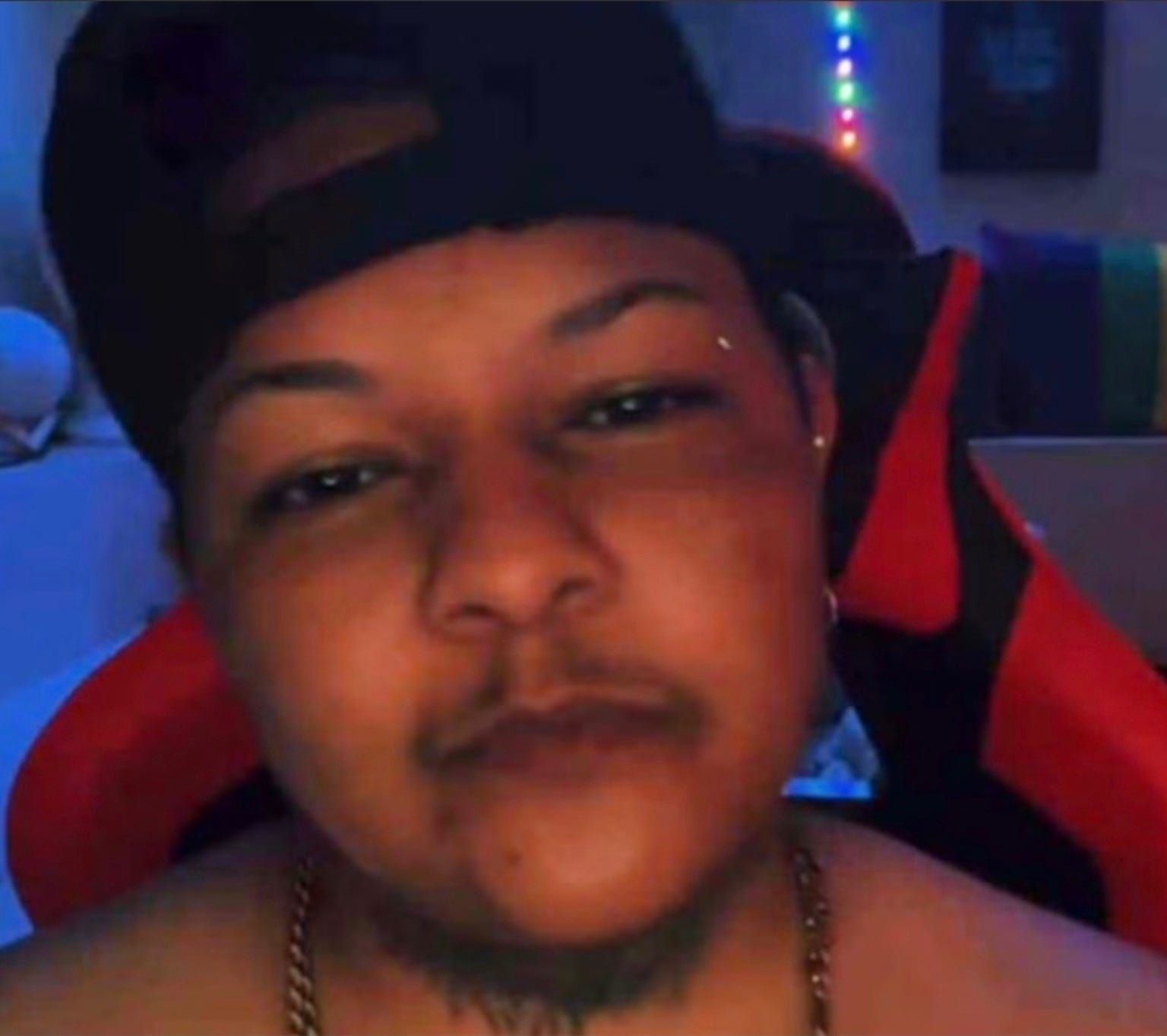
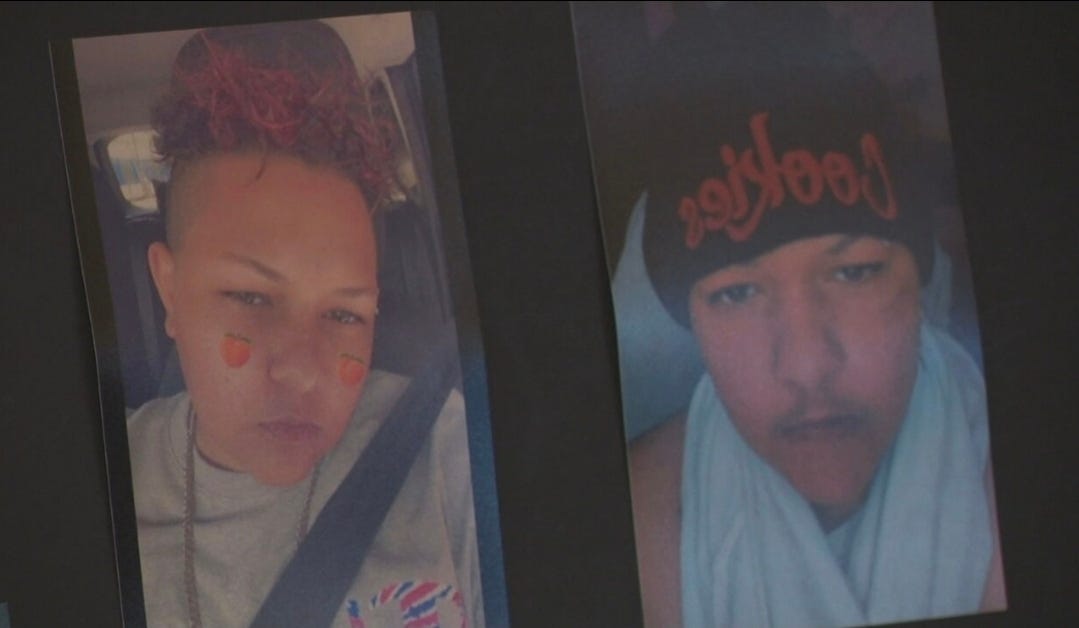
Sam Nordquist was 24 years old. He was a Black transgender man from Minnesota. He had a family who loved him, searched for him, and now wants the world to know his name.
That is where this story has to begin.
Precious Arzuaga, the woman prosecutors described as the “ringleader” in the torture and killing of Sam Nordquist, pleaded guilty in Ontario County Court to all charges against her, including first-degree murder, kidnapping, aggravated sexual abuse, conspiracy, coercion, concealment of a human corpse, and endangering the welfare of a child.
The plea is an accountability milestone. It is not repair. It does not restore Sam’s life, erase his family’s grief, or answer every question about what he endured and why prosecutors say multiple people were able to participate in it for so long.
Nordquist traveled from Minnesota to Ontario County, New York, in September 2024 to meet Arzuaga, whom he had reportedly known as an online girlfriend. His family expected him to return two weeks later. He did not.
His mother, Linda Nordquist, said her son never came home as planned. Instead, investigators say he was subjected to months of abuse before his remains were found in February 2025 in a field in Yates County, wrapped in plastic.
The court record is severe. Prosecutors have described a months-long campaign of torture, sexual violence, kidnapping, and coercion involving Arzuaga and others. The details in the indictment are graphic. They belong in the public record, but they should not become the center of Sam’s story.
The center is Sam.
Ontario County District Attorney James Ritts called the case “by far the worst homicide investigation that our office has ever been part of” after Nordquist’s body was found. “No human being should have to endure what Sam endured,” Ritts said.
That statement matters because it names the basic truth plainly: no human being should have to endure what Sam endured, and no family should have to search for a loved one only to learn that the person they were waiting for had been brutalized, killed, and discarded.
Arzuaga is scheduled to be sentenced on September 4. She is expected to face life in prison without parole. Her attorney reportedly said no plea deal was offered and that Arzuaga “accepted responsibility.”
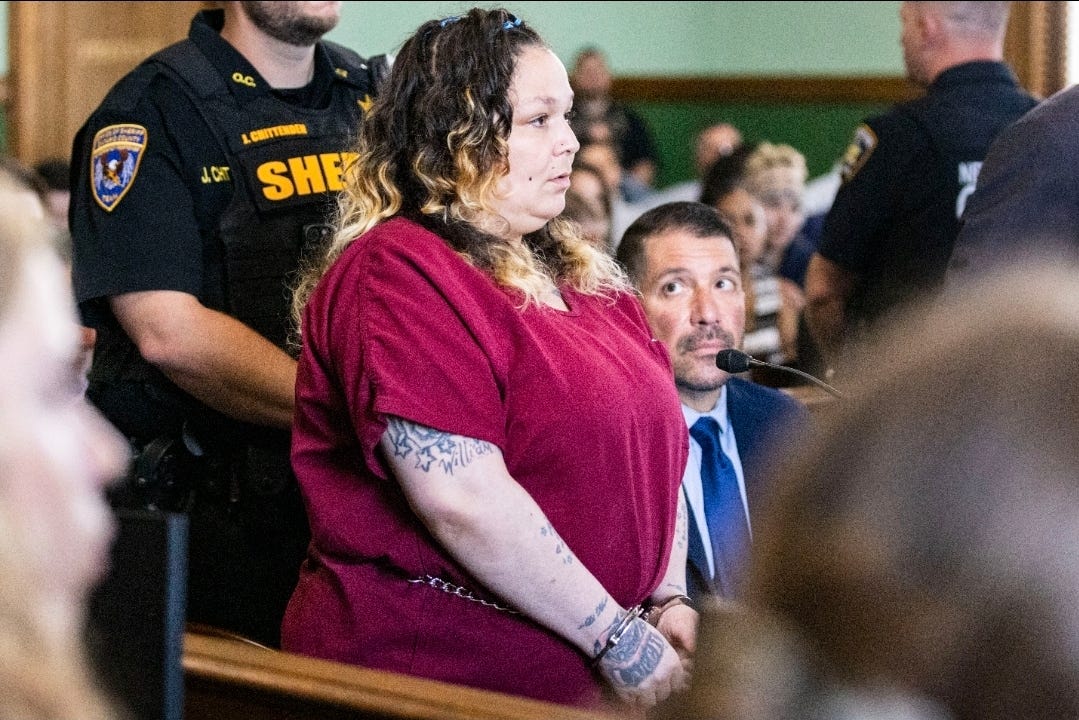
But Sam’s sister, Kayla Nordquist, did not describe the plea as closure.
Kayla traveled from Minnesota to be present in court. She told a local ABC affiliate that being there was “the most awful thing I ever had to do.” She also said she did not believe the defendants had been fully honest about the full extent of what happened to her brother.
“I don’t know why she all of a sudden feels guilty,” Kayla said. “She wasn’t guilty when she was raping him and beating him and starving him. She didn’t feel guilty then. I don’t believe she feels guilty now.”
Her words are painful, but they are also part of the record of harm. They refuse to let a guilty plea become a neat ending. They refuse to let responsibility be reduced to courtroom procedure while the family is still carrying the weight of what was done.
Kayla also said what should remain at the center of every report about this case: “I loved him, and I still love him. He mattered and he still matters. I want the world to know Sam Nordquist’s name. He was a genuinely good person and he did not deserve this.”
That is the line this story turns on. Sam mattered before the case, before the indictment, before the press conference, before the plea, before the sentencing date, and before the public learned the details of his death.
Black trans people are too often made visible only through violence. Their names enter public attention after loss. Their lives are flattened into the circumstances of their deaths. Their families are left to fight not only for accountability, but for the public to remember that the person killed was a full human being.
This case cannot repeat that pattern.
The guilty plea confirms that the legal system now has a formal admission from the woman prosecutors identified as a central actor in the case. But the public record still has another responsibility: to remember Sam as more than what was done to him.
Sam was a son, a brother, and a person who was loved. His family waited for him, and his sister wants the world to know his name.
The violence described in this case is horrifying. It also exists inside a broader reality where Black trans people face disproportionate danger, isolation, and public erasure. That does not mean every case is the same. It means that when a Black trans person is killed, the public record must be careful not to turn violence into spectacle while leaving the person behind.
Sam’s family has already had to endure the search, the loss, the courtroom, the graphic record, and the public retelling. The least the public can do is refuse to make his death into true-crime consumption.
A guilty plea is not the same as justice fully felt by the people who loved him. It is one point in a record that still includes grief, anger, unanswered questions, sentencing, and a family’s permanent loss.
The article source reports that charges Arzuaga pleaded guilty to include coercion involving children who were forced to watch or participate in the abuse. That part of the case is another measure of how extensive prosecutors say the cruelty became. It also reinforces why restraint matters in reporting. The public needs to know the seriousness of the case without turning every act of violence into a display.
Sam Nordquist deserved protection. He deserved to come home. He deserved to be believed in his life, not remembered only after his death.
His sister’s words should anchor the record: he mattered and still matters.
The September sentencing will bring another court date, but it will not bring Sam back. It will not undo what his family had to hear, make the months he was missing less painful, or turn a guilty plea into closure.
That hearing can place responsibility in the court record, but the public record has a different duty: to keep Sam Nordquist’s name at the center, not only the violence, the accused, or the court procedure.
Sam was a 24-year-old Black trans man, a son, a brother, and a person who was loved. His family’s message is clear: he mattered, and he still matters.
Violence against Black trans people should never be reduced to spectacle, case details, or courtroom procedure. Sam Nordquist’s family is asking the public to remember his name.
Trans United documents these cases because Black trans people deserve safety, dignity, protection, housing, healthcare, and survival support before cruelty becomes a public record after death.
Upgrade to a paid subscription to support this work.