

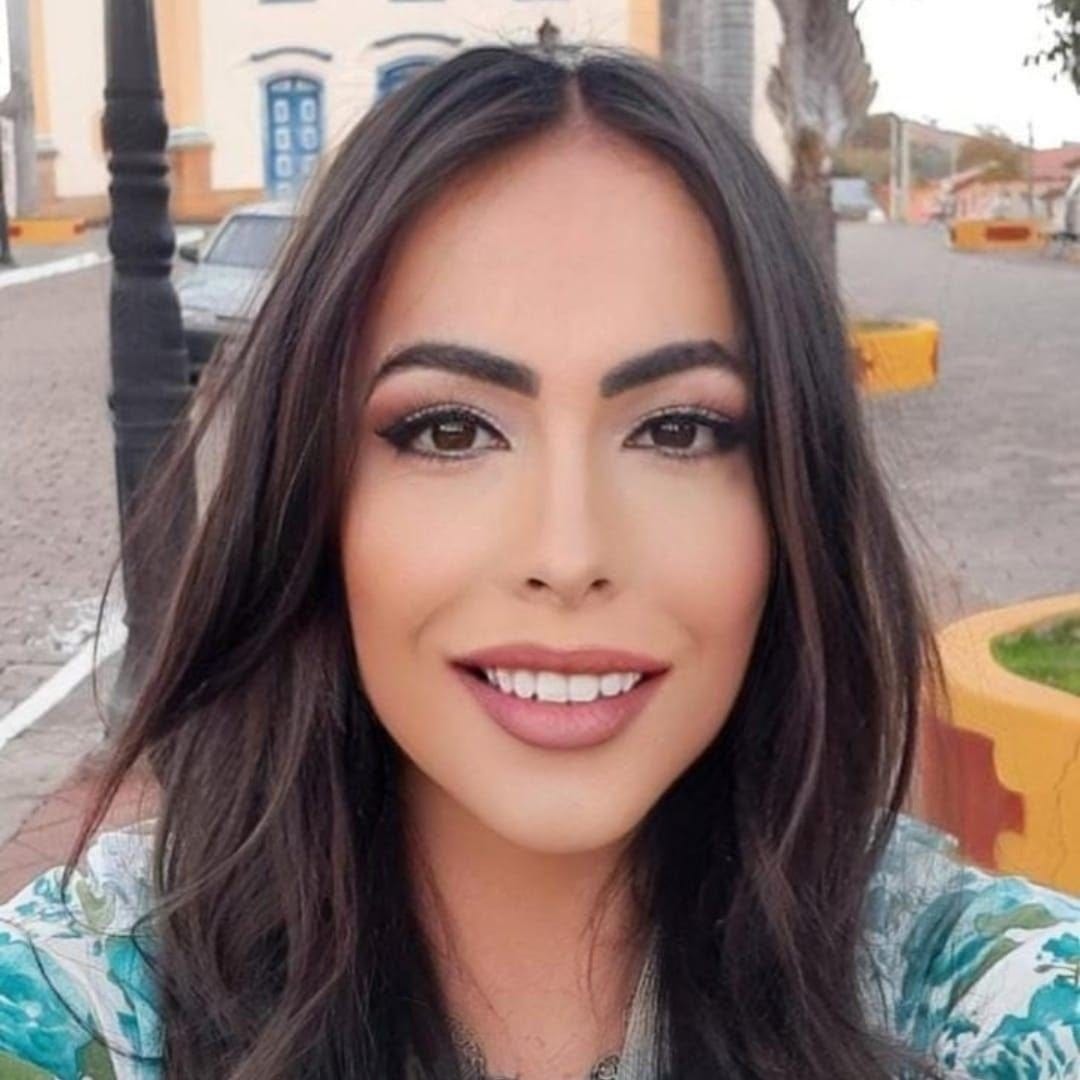
Thaiz Andrade Pedrosa had already spent roughly two decades working in healthcare when she finally entered medical school. She had taken a municipal civil-service examination at 17 and went on to work as a health agent in Divinópolis, Minas Gerais. Medicine was not a sudden ambition. It was a goal she pursued while working full days and studying at night, carrying a professional life in healthcare alongside the effort to become a physician.
She decided to pursue medicine in 2013. Years later, she described working from 7 a.m. until 5 p.m. and then studying on her own until 10 or 11 at night. In 2018, she came within six points of securing a place at the Federal University of Minas Gerais. She kept going. The following year, Thaiz moved to Salvador and entered the medical program at the Federal University of Bahia, becoming the first trans woman to study medicine there through the university’s affirmative-action pathway for trans students.
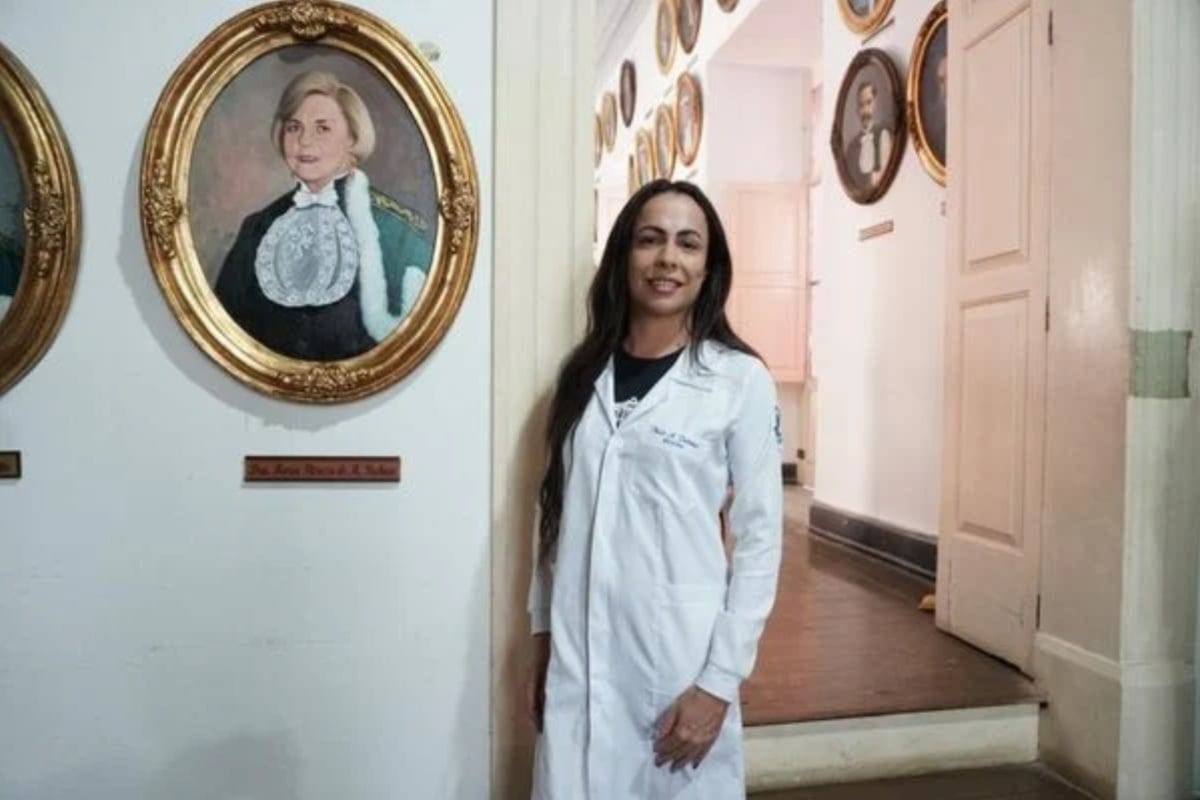
That entry mattered because the barrier was not abstract to Thaiz. She had spent years trying to reach a profession in which trans people remain profoundly underrepresented, without the advantages available to students able to devote their lives exclusively to preparing for competitive admissions. She defended affirmative action as a response to those unequal starting conditions, pointing directly to her own experience of working all day while preparing for medical school at night.
Her arrival at the Faculty of Medicine also confronted assumptions about who was expected to occupy that space. Thaiz recalled asking a doorman for directions on her first day and being questioned about why she was there because, she said, he had never seen anyone like her. Her answer was unequivocal: she told him to get used to seeing her because she intended to remain there for six years. The exchange exposed something her admission alone could not erase: gaining access to an institution did not automatically produce belonging inside it.
Thaiz did more than occupy the place she had fought to reach. During her studies, she helped found Transufba, a collective organized by trans students to push for stronger affirmative-action policies and, crucially, the conditions necessary for trans students to remain at the university after admission. Her work made the distinction between opening a door and making it possible for people to survive on the other side of it.
UFBA records reinforce that permanence was material, not rhetorical. University assistance records identify Thaiz as a medical student and list forms of student support connected to food, transportation and trans students. Her presence in medicine therefore sits inside a larger public record about what access requires: admission creates an opportunity, but students still need the resources that allow them to continue their education.
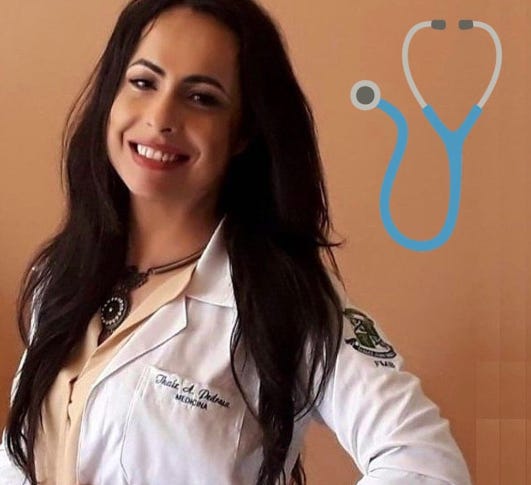
Medicine also changed how Thaiz thought about the care she wanted to provide. She initially planned to specialize in endocrinology, with reporting after her death describing her ambition to care for trans patients, including people undergoing hormone therapy. But her thinking expanded during medical school. Thaiz argued that a trans patient should not have every medical need reduced to being trans; clinicians needed to treat the whole person.
That principle placed her trajectory beyond the symbolism of being a historic first. Thaiz was moving from years of frontline health work into medical training while imagining what care could look like when trans people were not merely patients navigating healthcare institutions, but physicians helping shape the care delivered inside them. The affirmative-action pathway gave her access to medical school. What she intended to build from that access was her own.
Thaiz died in Salvador on September 3, 2026. She was 44. The Faculty of Medicine and its academic directory publicly mourned her death, and the cause has not been disclosed. Nothing in the available record establishes a cause, and her death should not be converted into a mechanism the evidence does not support.

Her death cut short a medical career built on an unusually long path to the profession. Before entering UFBA, Thaiz had already devoted approximately two decades to public health. At the university, she helped create Transufba and pushed beyond admission toward the conditions trans students needed to remain. As a future physician, she intended to carry that experience into patient care.
Thaiz reached medicine after years of working toward a place where people like her were rarely represented. She did not reach it simply to become its historic first. She was preparing to become a doctor, helping make the university more navigable for those coming behind her and imagining healthcare in which trans people could stand on both sides of the examination room. She died at 44 before that future could be completed. The life she had already built shows precisely what was lost.
Trans people should not have to become exceptional before their lives are considered worth documenting. Trans United Fund builds a durable public record of trans lives while exposing the conditions that shape whether trans people can access opportunity, remain there, and build lives on their own terms.
Upgrade to a paid subscription to support Trans United Fund and sustain independent, victim-centered reporting.
Thaiz was a trans woman that had hope and represented the community with respect. Her loss is profound. She was ambitious and wanted to change the lives of others through medicines.