

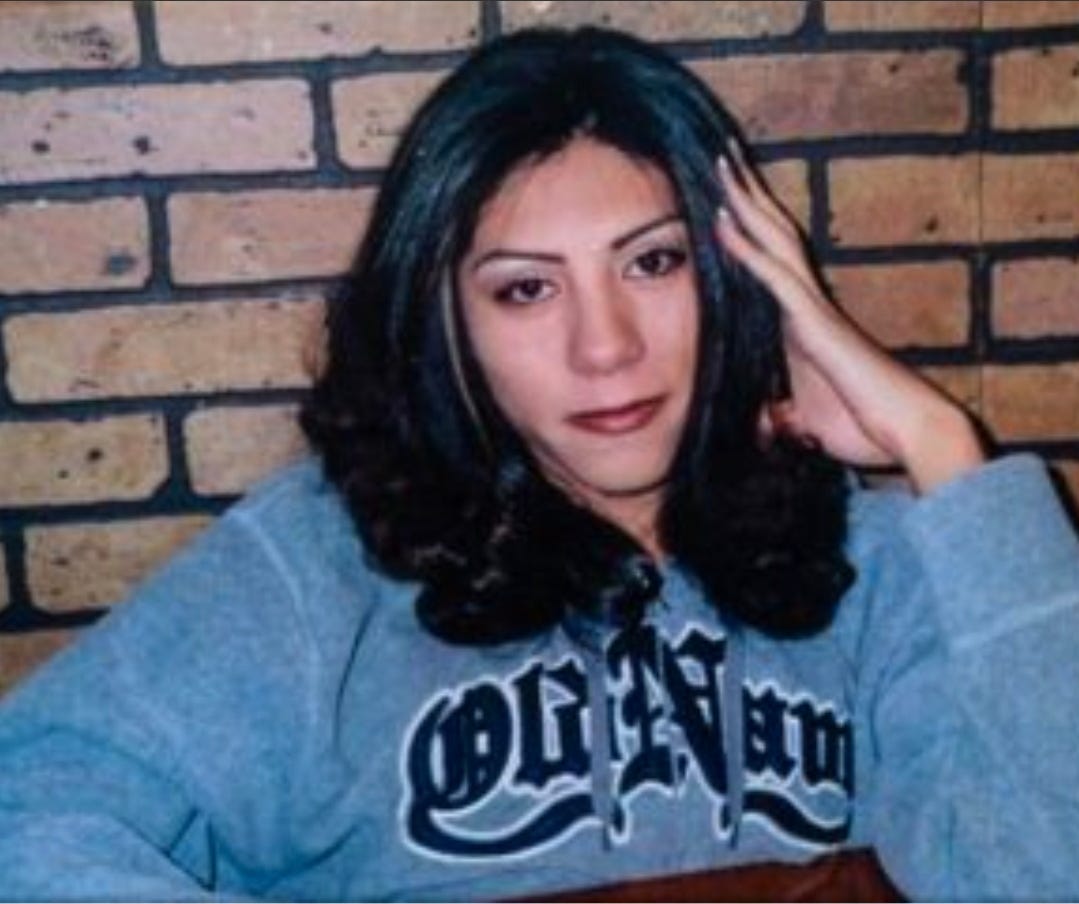
Angie Zapata was 18 years old when she was killed in Greeley, Colorado, in July 2008. She was a young trans woman living on her own for the first time, building a life that should have been hers to continue.
Her murder became part of American legal history because of what happened after her death. The man who killed her tried to turn her identity into a courtroom explanation. The defense leaned on a familiar anti-trans frame: that discovering a person is transgender could be treated as shock, panic, or provocation.
That argument did not prevail.
A Colorado jury convicted Allen Ray Andrade of first-degree murder and a bias-motivated crime in April 2009. The case has been widely reported as the first successful hate-crime prosecution in the United States involving the killing of a transgender person. It remains a public record of what changes when violence against a trans woman is named directly instead of reduced to the killer’s claimed reaction.
Zapata met Andrade online in the summer of 2008. According to records and reporting on the case, the two spent time together at her apartment before Andrade learned that she was transgender. Prosecutors said he then attacked and killed her, stole her car, and fled.
The case did not turn only on the physical evidence. Jurors also heard a jailhouse statement in which Andrade used anti-gay language and said that “gay things must die.” Prosecutors used that evidence to argue that the killing was motivated by bias.
That evidence mattered because the defense tried to move the focus away from Zapata and toward Andrade’s claimed state of mind. The so-called gay or trans panic defense is not a formal stand-alone defense, but versions of it have been used to argue that a defendant’s discovery of a victim’s sexual orientation or gender identity caused a loss of control, heat of passion, or provocation that should reduce culpability.
In practice, that argument puts the victim on trial. It asks jurors to treat a trans person’s body, identity, or disclosure as the reason violence became understandable. It turns the victim’s existence into part of the defense.
The Zapata verdict rejected that logic. On April 22, 2009, a Weld County jury found Andrade guilty of first-degree murder, a bias-motivated crime, aggravated motor vehicle theft, and identity theft. He was sentenced to life in prison without the possibility of parole, with additional time imposed on other counts.
The legal significance was not only that Andrade was convicted of murder. It was that Colorado law allowed prosecutors to argue the killing as bias-motivated violence against a trans woman. That statutory language made the anti-trans nature of the crime legible inside the courtroom.
That distinction matters. When hate-crime laws do not clearly protect trans people, prosecutors often face a narrower path to naming anti-trans violence as bias-motivated harm. When those protections exist, the legal record can more accurately reflect what happened and why.
The contrast with the killing of Gwen Araujo in California shows why that legal recognition was so important. Araujo, a 17-year-old trans girl, was killed in 2002 after men discovered she was transgender. Prosecutors sought hate-crime accountability, but the hate-crime enhancement did not result in conviction. That case became part of the national record on how panic arguments and limited legal recognition shaped the way violence against trans people was prosecuted.
Angie Zapata’s case did not end the use of panic arguments. It did not end violence against trans women. It did not make courts, police, or public systems safe for trans people.
But it did prove something the legal system had too often failed to say clearly: violence against a trans woman is not made less serious because the person who harmed her claimed panic, shock, or anger over who she was.
That truth still matters.
Trans people are still forced to fight for violence against them to be described accurately. Families are still forced to insist that their loved ones were not responsible for the hatred that targeted them. Public officials, police, courts, and media coverage still shape whether a trans victim is remembered as a full human being or reduced to the identity their killer attacked.
Angie Zapata was not a legal symbol first. She was a young woman with a family, a future, and a life that was taken from her. The legal history matters because it shows how easily systems can erase that truth when they accept the killer’s frame.
Her case changed the record because a jury refused to do that.
The murder of Angie Zapata became a landmark not because the legal system suddenly became just, but because one courtroom was forced to reject the idea that her identity was an excuse for the violence committed against her.
It was evidence of why she was targeted.
Trans people deserve safety, housing, healthcare, and public systems that name anti-trans violence honestly.
Upgrade to a paid subscription to support Trans United’s work documenting anti-trans harm and helping keep trans people memory alive.