

The city has already admitted the central fact. The trans woman was allowed to be there.
That is what makes this incident larger than a beach dispute. The written rule was not the problem. The city’s own position was that all persons who identify and live as women have access to the women-only nude section at the Marzili lido. The trans woman was not breaking the rule by existing there. The failure came after other beachgoers objected, staff treated their discomfort as something that required enforcement, and police removed a woman from a space she had the right to use.
That is the mechanism: anti-trans discomfort became a staff decision, the staff decision became police force, and police force removed a woman from public space.
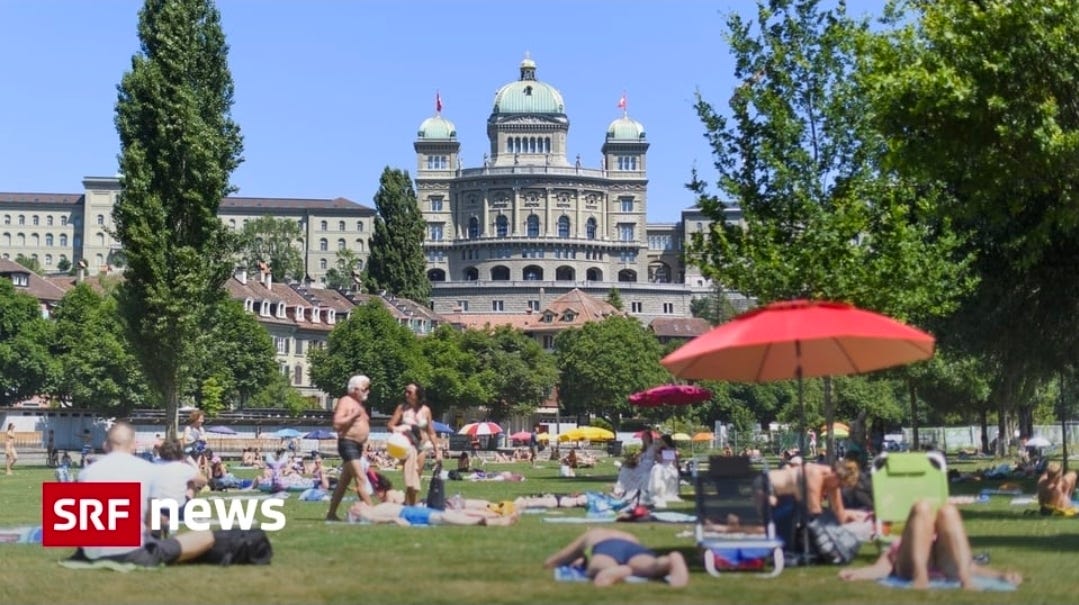
The incident happened at the “Paradiesli” nude section of the Marzili lido in Bern, Switzerland. Witnesses said beach staff asked the trans woman to leave after other people at the beach expressed discomfort with her presence. When she refused to leave, staff called police. Witnesses described the police removal as rough physical force. The woman was taken to the police station, reportedly spent two hours there, and was later sent to the hospital.
The city’s apology matters because it confirms what should have been clear before police arrived. The city said staff “mistakenly opted for a police-ordered removal of the trans woman” and expressly apologized to the woman affected. It also stated that all individuals who identify as women and live as such have access to the voluntary nudist area.
That apology does not erase the harm. It proves the harm was indefensible.
The woman was not removed because the rule excluded her. She was removed because other people’s reaction to her body was treated as a reason to make her leave. That distinction matters. Anti-trans exclusion often hides inside softer language first: discomfort, tension, uncertainty, complaints, atmosphere, misjudgment. Then the institution responds. Then the body of a trans woman becomes something to manage, remove, or hand over to police.
This is how public exclusion works when the written policy is already on the trans woman’s side. The institution does not have to announce a formal ban. It only has to obey the discomfort of people who do not want her there. Staff can frame the moment as a practical problem. Police can frame the force as restoring order. Officials can later call it a mistake. But the person harmed experiences the same result: she was treated as removable from a space she had the right to use.
The city’s statement said the tense atmosphere led to a misjudgment of the situation. That language is too soft for what happened. A tense atmosphere did not remove her. Staff called police. Police used force. A woman who was allowed under the policy was taken from the beach, brought to a station, and later sent to a hospital. “Misjudgment” may describe the city’s internal explanation. It does not describe the public consequence.
For trans women, this is the danger of rights that depend on whether other people remain comfortable. A policy can say she belongs. A city can say she has access. The law can recognize her. But if staff and police still treat complaints about her presence as a reason to remove her, the right becomes conditional in practice. It exists on paper until someone objects loudly enough.
Switzerland’s broader legal context makes the incident even clearer. In 2021, the country passed a major trans rights law allowing people over 16 to legally change their gender through self-declaration at a civil registry office without needing a court order, medical letter, or other bureaucratic requirement. That legal recognition matters. But this incident shows the gap between recognition and protection. A state can recognize trans people in law while institutions still fail them in the moment when recognition has to be upheld.
The beach rule recognized her. The city later recognized her. The apology recognized her. The problem is that recognition came after removal.
That is why the sequence matters more than the apology headline. First came the complaints. Then staff intervention. Then police. Then force. Then the station. Then the hospital. Then the city apology. The institution corrected itself after the harm had already moved through her body and her day. That order cannot be ignored.
A trans woman should not have to be vindicated after being removed. The question is not whether the city eventually said the right thing. The question is why a woman who had the right to be there was made into a police matter before the institution defended its own rule.
Public space is not protected by policy alone. It is protected by what staff, police, and institutions do when someone challenges a trans person’s presence. If the first response is to remove the trans person instead of upholding the rule that protects her access, then the institution has chosen the complaint over the person with the right to be there.
The city’s apology is important because it establishes that the woman was not the violation. Her removal was.
The deeper lesson is harder: trans rights fail in practice when institutions treat anti-trans discomfort as a public-order problem and trans presence as the thing to be controlled. The written rule allowed a trans woman to be there. The people responsible for upholding that rule removed her anyway.
The rule protected her access. The institution protected the complaint.
Public spaces become battlegrounds when institutions treat trans existence as something other people get to veto.
Trans United documents the systems that turn anti-trans hostility into policy, enforcement, exclusion, and public harm.
Support this work so trans people are not left alone when institutions fail to protect the rights they claim already exist.