

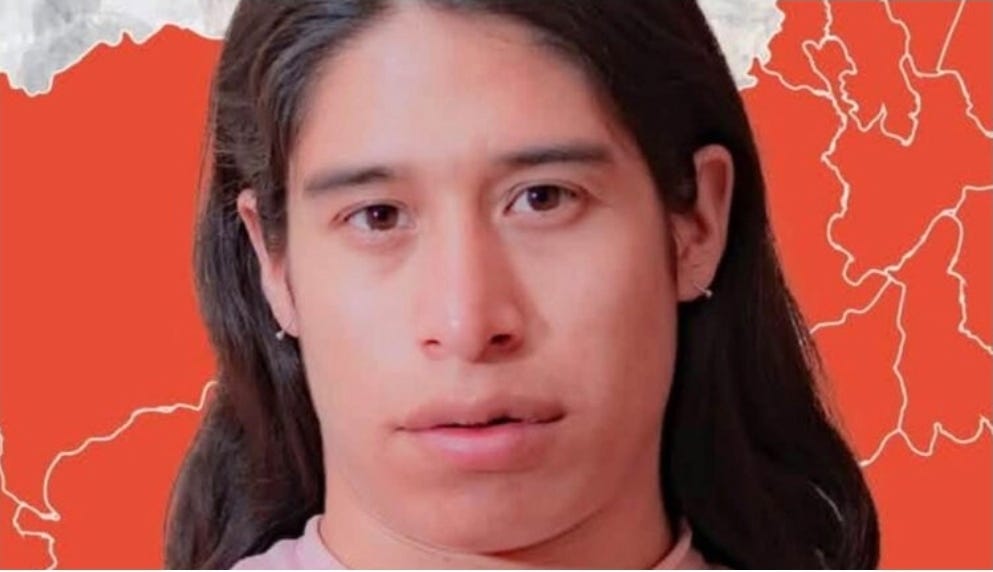
Roxxy Vanessa Astaiza Mosquera spent her life confronting the violence that trans people were expected to survive quietly. In Popayán, Colombia, she was known as a trans woman, student, activist, human-rights defender, and member of Mariposas Negras, a collective of trans women working against discrimination and violence. She publicly denounced transfemicides, police violence against LGBTQ+ people, and the abuse faced by trans people and sex workers. She was also stepping further into public life as a candidate for the Cauca Departmental Women’s Advisory Council.
On September 17, Roxxy was stabbed in the Pandiguando neighborhood of Popayán. She was taken for medical treatment but died from her injuries. A person was later captured in connection with the killing, while investigators continued working to establish exactly what happened and why.
Early police reporting described the incident as an apparent “riña,” or confrontation. But that description does not answer the central questions surrounding Roxxy’s death. Advocacy organizations have demanded that authorities investigate whether her gender identity, activism, leadership, or public work played any role in the violence that killed her. They have also called for the case to be examined as a possible transfemicide.
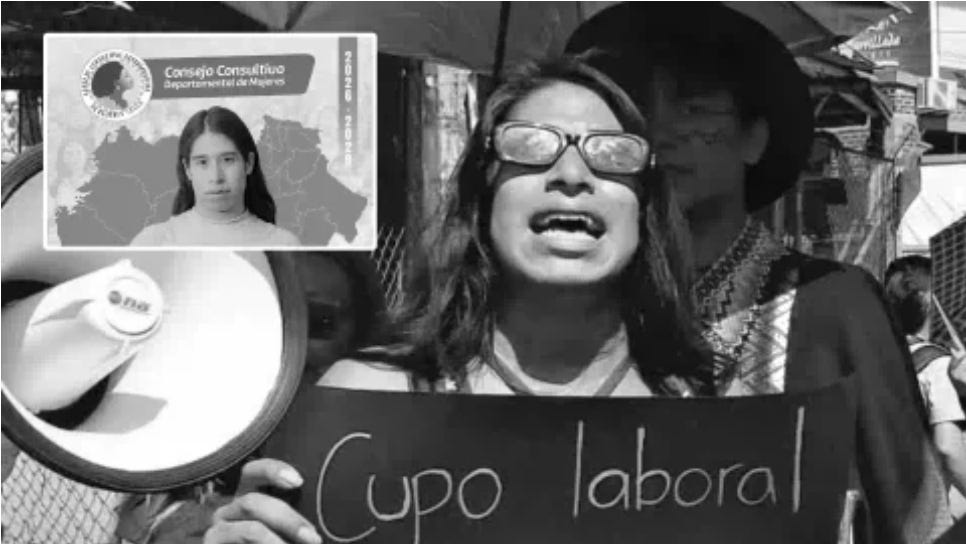
Roxxy’s life makes those questions impossible to separate from the person she had become. Caribe Afirmativo described her as someone who denounced transfemicides, police violence against LGBTQ+ people, discrimination, and violence affecting sex workers and trans communities. Through Mariposas Negras, she was part of a network of trans women organizing for protection, rights, and accountability in Popayán.
She was also moving into formal civic participation. Roxxy was a candidate for the Cauca Departmental Women’s Advisory Council for the 2026–2029 period, seeking a role in a body created to represent women’s interests and participation in public policy. Her candidacy meant that the same woman who had spent years defending people pushed to the margins was trying to carry that work into an official space where decisions affecting women in Cauca could be challenged and shaped.
That makes her death more than the loss of one advocate. It removed a trans woman from a public process she had fought to enter and silenced a voice that had been demanding attention to violence against people whose deaths are too often reduced to a brief crime report.
The University of Cauca publicly mourned Roxxy and recognized her as a student and trans leader. Advocacy organizations and local officials also described her killing as a loss to women’s rights, LGBTQ+ organizing, and political participation in the region.
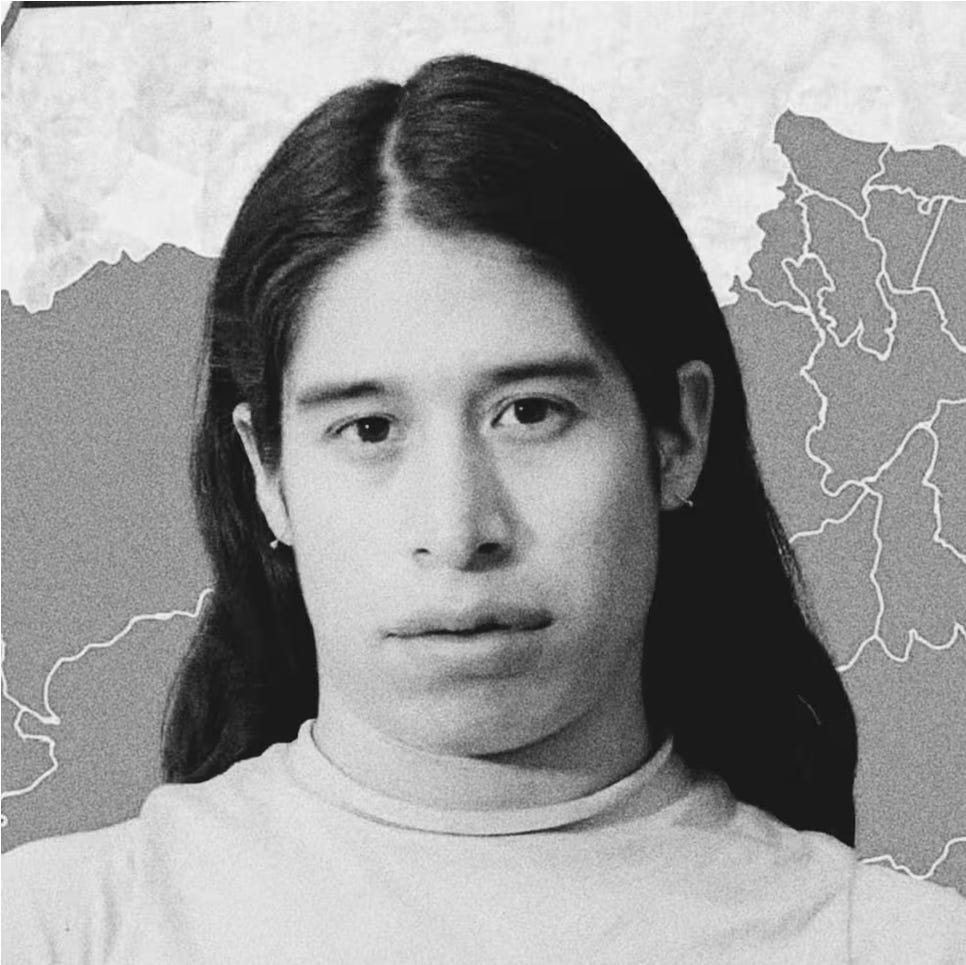
Her killing also sits inside a wider pattern of violence against people doing human-rights and community work in Colombia. Reporting citing INDEPAZ identified Roxxy as the 111th social leader or human-rights defender killed in Colombia in 2026 and the 51st in Cauca.
Those figures place Roxxy’s death inside a wider national pattern, but they cannot be allowed to swallow the life behind the count. She was a student, organizer, human-rights defender, and trans woman who had chosen to confront violence publicly.
The investigation into her death now carries a responsibility that goes beyond establishing who held the weapon. Authorities must determine whether Roxxy was killed because she was trans, because of her activism, because of her leadership, because of another circumstance, or because several forms of vulnerability and hostility converged around her.
That question matters because Roxxy herself had spent years demanding that violence against trans people be taken seriously. The way a death is classified, investigated, and remembered can determine whether institutions recognize a wider pattern of violence or treat each killing as an isolated case.
The early characterization of her death as a confrontation cannot be the end of that inquiry. A police label offered in the first hours after a killing does not explain why the violence happened, what led to it, or whether Roxxy’s identity and public work placed her at greater risk. Those questions require investigation, evidence, and accountability.
For the people who knew her, the loss is immediate. For the trans community she served, it carries another weight: a woman who publicly fought transfemicide is now herself at the center of an investigation in which advocates are demanding that transfemicide be considered.
Roxxy spent her life insisting that violence against trans people should not be normalized, minimized, or forgotten. After her killing, that same standard now applies to her.
Now the responsibility falls on investigators and public institutions to determine what happened to Roxxy, why it happened, and whether the violence she spent her life confronting ultimately reached her too.
Trans United is documenting Roxxy’s case as investigators determine what happened, why she was killed, and whether her death will be treated as a possible transfemicide.
Upgrade to a paid subscription to help sustain independent reporting that follows trans cases beyond the first headline and keeps unresolved investigations in the public record.