

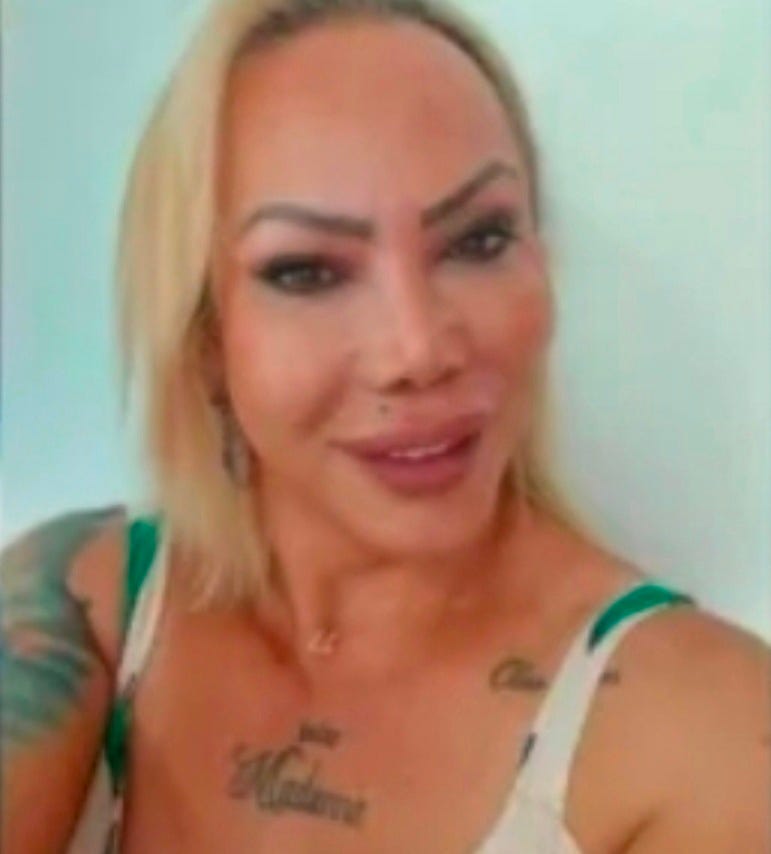
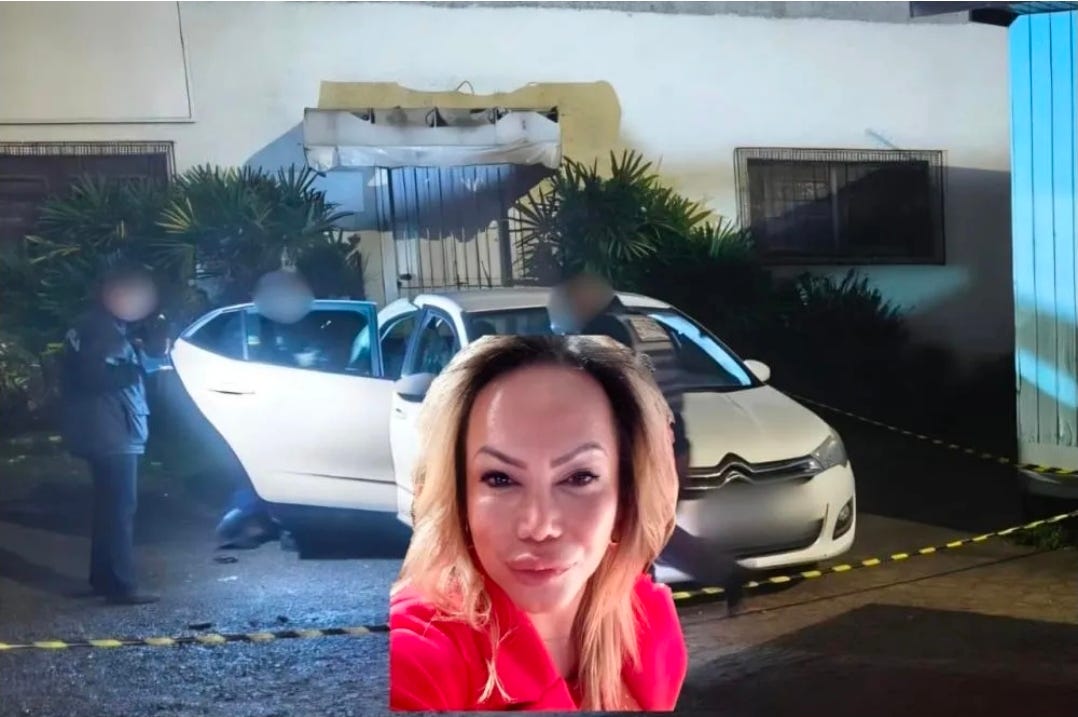
Madonna Isabella Webber Saldanha da Silva was 46 years old, a trans woman living in Caxias do Sul, in Brazil’s southern state of Rio Grande do Sul. On the night of August 31, she was found dead inside a Citroën in the Jardelino Ramos neighborhood after being shot. Preliminary forensic reporting documented two gunshot wounds, and the homicide investigation remained open as authorities worked to determine who killed her and why.
What is established is already enough to define the harm. Madonna was found in the driver’s seat of the vehicle, and no suspect had been publicly identified or arrested in the reporting reviewed for this article. Investigators had also not established a motive. Additional details reported locally, including information about the weapon and the possibility that another person had been inside the vehicle, remained preliminary and did not change the central fact of the case: Madonna was shot and killed, and the person responsible had not yet been identified.
Her trans identity belongs in that record because it was part of who she was, not because investigators have established that it was the reason she was killed. No verified evidence reviewed for this article establishes an anti-trans motive or hate-crime classification. Preserving Madonna’s identity does not require speculation about motive, and uncertainty about motive does not erase the fact that she was a trans woman whose killing now enters the broader record of lethal violence against trans people in Brazil.
That wider context matters without replacing Madonna herself. Trans-led organizations in Brazil have documented lethal violence against trans people for years, particularly violence affecting trans women and travestis. That history shows why Madonna’s death cannot be allowed to disappear into a brief crime report, but her killing remains its own case, with its own facts, its own unanswered questions, and its own demand for accountability.
Investigators had not publicly established who fired the shots, whether Madonna knew the person responsible, what happened immediately before the shooting, or what motive drove the killing. Those questions remain central. Until they are answered, the record must stay focused on what is known: Madonna was shot and killed, the person responsible had not been identified, and the circumstances surrounding her death remained under investigation.
Madonna’s burial was scheduled for September 2 at the Cemitério Municipal de Caxias do Sul while the investigation remained active. The people who knew her were therefore preparing to bury her before the public had answers about who killed her or why. Her death should remain visible beyond the first reports and beyond the crime scene itself, because Madonna Isabella Webber Saldanha da Silva was a 46-year-old trans woman who was shot and killed, and her death still demands accountability.
Upgrade to a paid subscription to help support Trans United Fund’s reporting, public-record accountability, and direct support for trans people facing violence, displacement, and crisis.
Sources: Leouve, NB Notícias, ANTRA.