

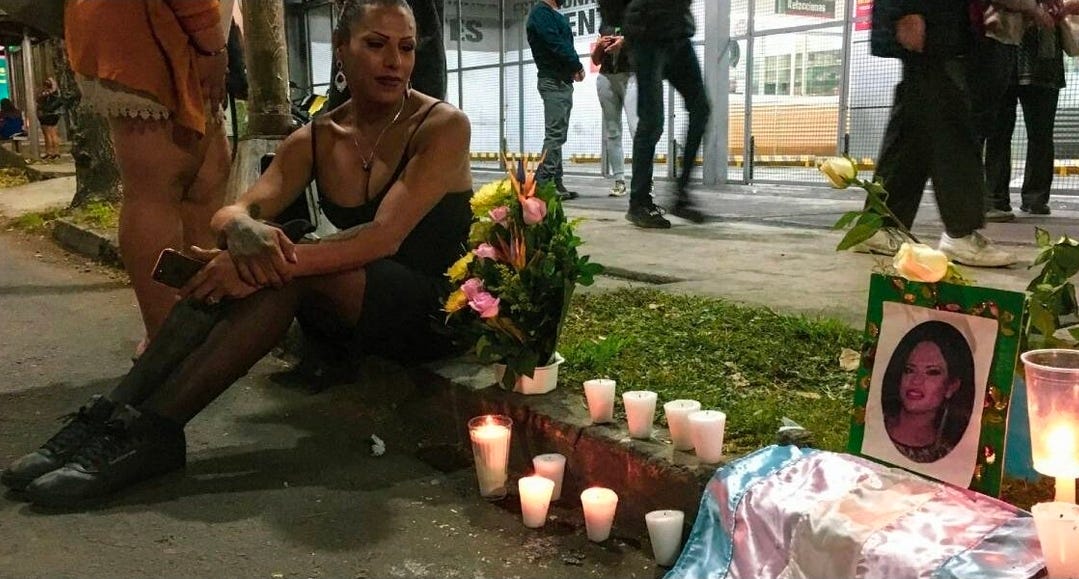
Paola Buenrostro was 25 when she was killed in Mexico City on September 30, 2016. She was a trans woman who had moved from Chiapas after facing violence and family exclusion, and the friends she built a life with in the capital became her family. Nearly ten years after her death, those same people are still fighting over something that should never have required a decade of pressure: whether the justice system would recognize who Paola was and treat the violence against her accordingly.
On the night she was killed, Paola got into a car near Puente de Alvarado, an area known for trans sex work. According to reporting and evidence later presented in court, she called for help shortly afterward and shouted the name of her friend Kenya Cuevas. Kenya ran toward the vehicle and heard gunshots. She reached the car while Paola was dying and began recording what was happening. Police arrested Arturo “N” at the scene, but he was released about 48 hours later.
An arrest warrant was issued on October 19, 2016. For almost a decade, it remained outstanding while Paola’s case became a record not only of unresolved accountability, but of institutional erasure. Mexico City authorities failed to recognize Paola as a woman in the original handling of the case, misgendered her, and did not initially recognize Kenya as her social family or as an indirect victim.
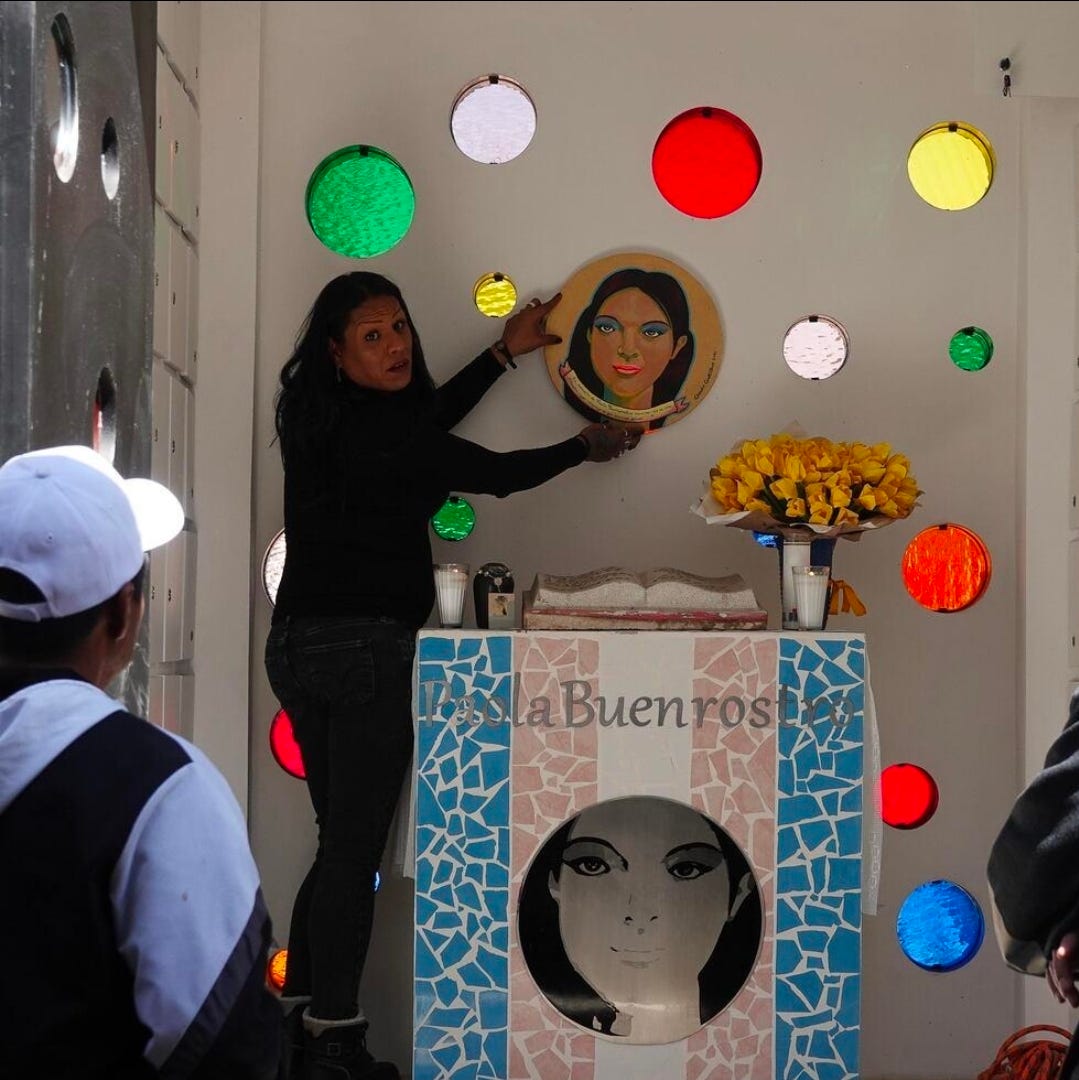
The institutional erasure surrounding Paola’s case continued into the 2026 proceedings. After Arturo “N” was arrested on August 31, nearly ten years after the warrant was issued, the first hearing treated the killing as aggravated homicide rather than femicide. Reporting from Grupo Animal and Agencia Presentes says Paola was again misgendered during the proceeding, while Kenya and other trans women connected to the case were also addressed in ways that denied their gender identities. The response outside the courtroom was immediate: activists protested and occupied the offices of the Femicide Investigation Prosecutor’s Office, arguing that authorities were repeating the same institutional violence that had followed Paola’s case since 2016.
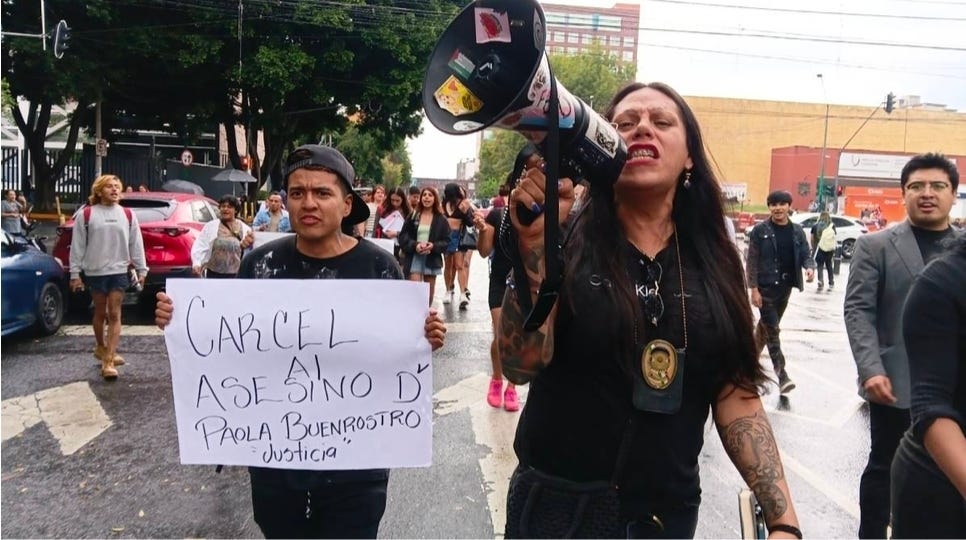
Kenya had not spent ten years demanding only that an arrest finally happen. She had spent those years demanding that Paola be recognized in the record as the woman she was and that the circumstances surrounding her killing be understood as gendered violence against a trans woman. That distinction mattered because misgendering Paola did more than insult her memory. It changed the legal and institutional frame through which her killing was understood.
The second hearing, held on September 4, marked a different turn. A Mexico City judge approved the prosecution’s request to reclassify the case from aggravated homicide to aggravated femicide and bound Arturo “N” over for prosecution under that charge. The judge also formally recognized Paola as a woman and Kenya Cuevas as an indirect victim and part of Paola’s social family.
Arturo “N” remains accused, and the criminal case remains unresolved. But the legal recognition matters because Paola’s gender identity and the gendered context of her killing are now part of the court record rather than something her community is being forced to defend from outside it.
The court also considered arguments that Paola’s work as a sex worker and the circumstances surrounding the killing were relevant to the femicide classification. Agencia Presentes reported that the judge cited Mexican Supreme Court precedent recognizing that violent deaths of trans women can fall within the crime of femicide, as well as the Inter-American human-rights case Vicky Hernández v. Honduras, which addressed violence rooted in prejudice tied to gender identity and expression.
The case is not being prosecuted under Mexico City’s newer transfemicide offense. Paola was killed in 2016, years before that offense existed, so the current prosecution proceeds under the femicide framework available for conduct at the time.
For Kenya, that recognition came after years in which the legal system repeatedly failed to record Paola correctly. Agencia Presentes quoted her after the hearing saying she had waited since September 2016 for Paola’s life and identity to be recognized. The judge’s decision also formally recognized Kenya’s relationship to Paola, acknowledging the social family that institutions had previously failed to treat as family at all.
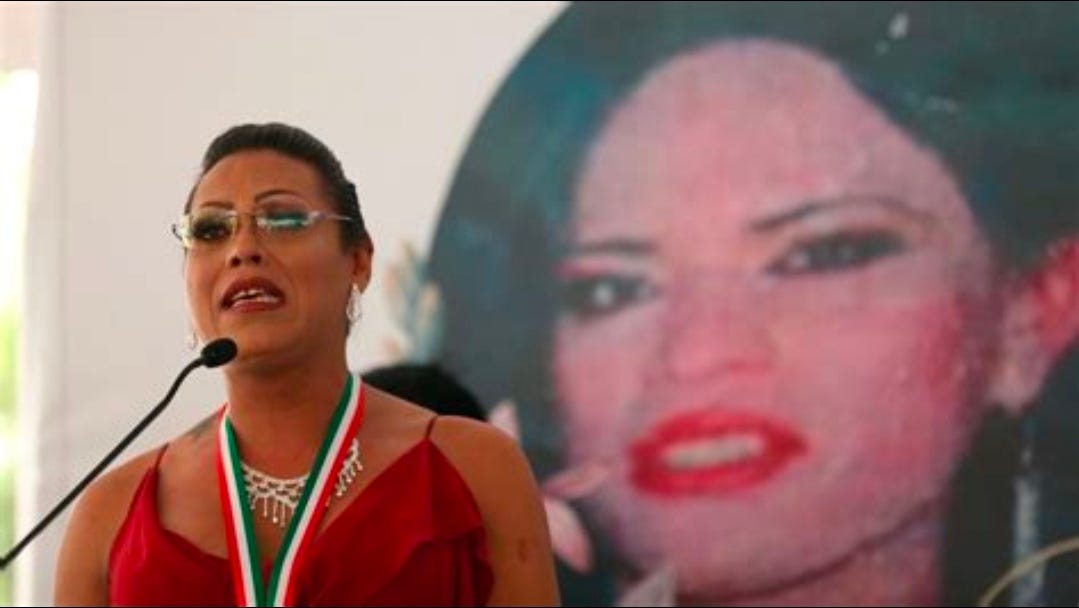
That part of the ruling reaches beyond courtroom terminology. Trans women who are rejected by biological relatives often build families through friendship, community and mutual survival. When institutions refuse to recognize those relationships after a death, the people who knew the victim best can be pushed outside the process meant to determine what happened to her. In Paola’s case, Kenya’s persistence kept both Paola’s identity and the demand for accountability alive through nearly a decade of delay.
Nearly ten years after Paola was killed, accountability remains unfinished. The prosecution still has to proceed, the allegations still have to be adjudicated, and the case still carries the weight of the years in which Paola’s identity was denied inside the very system asked to deliver justice for her. What has changed is that her chosen family no longer has to fight from outside the record simply to establish who she was.
Upgrade to a paid subscription to Trans United to help sustain independent reporting that documents violence against trans people, follows the institutions responsible, and keeps victims like Paola Buenrostro at the center of the public record.