


Renata Santos was 31 years old when firefighters found her without vital signs in the Jardim Surubi neighborhood of Itaperuna, Rio de Janeiro, Brazil. She had suffered stab wounds, and the 143rd Police Precinct opened a homicide investigation into her death.
Local reporting placed the attack near the corner of Laudicéia de F. Jesus and Alice Godefroy da Costa streets. Investigators processed the scene and began working to determine who killed her and what led to the attack. At publication, no arrest had been reported.
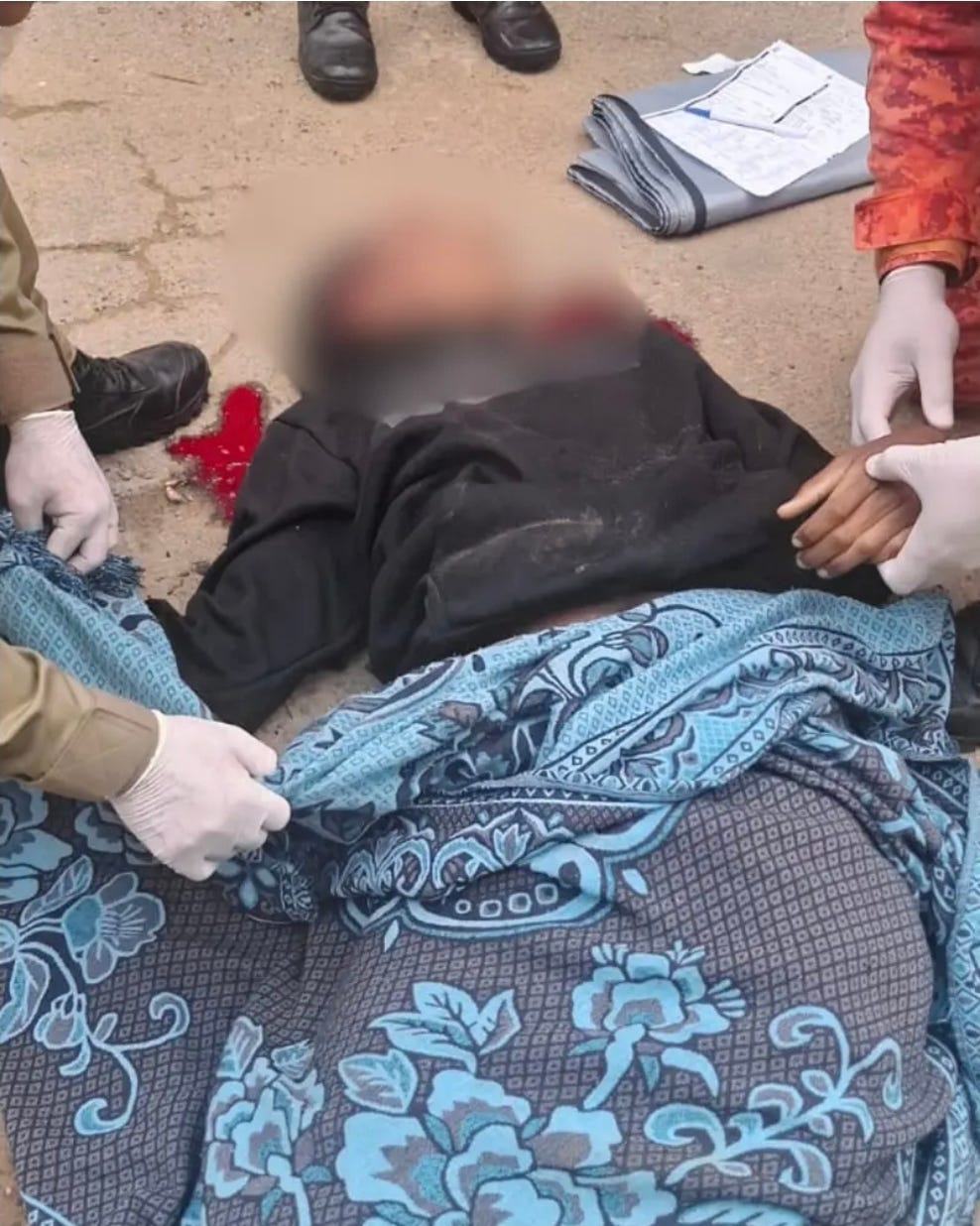
The public record preserves the circumstances of Renata’s killing more clearly than the life she lived before it. Her name, age, trans identity, city and manner of death are documented, while little biographical information about her has surfaced publicly. The lack of a fuller record should not reduce her to the violence that ended her life.
Her death came during a deadly stretch in Itaperuna. Local reporting recorded multiple homicides in the city during the first half of September, including another killing in the same Surubi neighborhood earlier that day.

Renata also enters a wider 2026 record of trans people killed across Brazil. Trans United has documented multiple cases, while Trans Day of Remembrance monitoring has recorded additional trans people killed across the country during the same period. That broader record shows the persistent lethal violence affecting trans communities while Renata’s individual motive remains unresolved.
What remains missing is accountability. The public still does not know who killed Renata, why she was killed, whether investigators have identified a person of interest, or whether the homicide investigation has produced evidence capable of bringing the person responsible into court.
Renata’s killing remains under investigation. Trans United will continue following the case for any suspect identification, arrest, charge, established motive, or other significant development.
Upgrade to a paid subscription to Trans United to help sustain reporting that documents trans lives lost to violence and keeps the people harmed at the center of the public record.