

Channel Ferro Badell had already survived discrimination, trafficking and abuse before she entered ICE custody. During the six months that followed, she said ICE moved her through six detention facilities, repeatedly placing her in environments where being a transgender woman exposed her to new threats instead of protection.
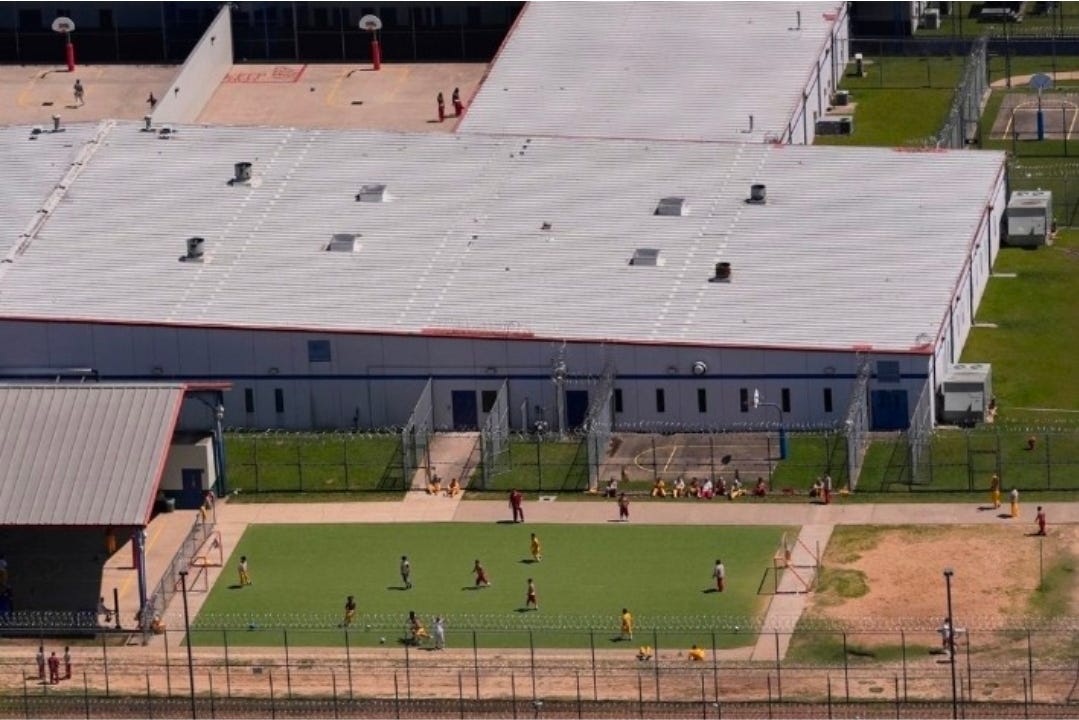
At the South Texas ICE Processing Center, Ferro Badell said she slept in an open dorm with roughly 70 men. She described being called degrading names and threatened with rape and physical violence. The harassment followed her into ordinary parts of daily life, including meals. At times, she said, she went two or three days without eating because other detainees mocked how she ate and sat or prevented her from sitting at the table.
Her account shows how detention can turn gender identity into a source of constant vulnerability. Housing decisions determine who a trans woman sleeps beside. Staff decisions determine whether her name and identity are recognized. Medical decisions determine whether treatment she was already receiving continues. When those systems fail at the same time, the harm is not confined to one confrontation or one policy. It enters nearly every part of custody.
Camila Toro de Paula came to the United States expecting something different. The 25-year-old transgender woman said she believed she was entering a country where laws protecting trans women would matter. In New York, she found doctors, began hormone treatment and described finally feeling cared for and respected.
ICE detention reversed that experience. Toro de Paula has spent more than a year in a facility for men while pursuing an asylum claim. She described threats and assault inside custody and said the hormone therapy that had become part of her medical care was interrupted. Other transgender women held in ICE facilities have reported similar abrupt losses of hormone treatment, including severe physical changes and worsening psychological distress.
For a trans woman already receiving hormone therapy, the interruption is not merely administrative. It can destabilize physical and mental health, intensify dysphoria and deepen the trauma of confinement. For women who had already established that medical care before detention, entering ICE custody meant treatment they were receiving outside could suddenly be interrupted while the physical and psychological consequences remained theirs to endure.
Irene Flores Mendoza’s account shows another way detention can deepen harm. According to legal filings cited in reporting on her case, she has post-traumatic stress disorder and depression connected to violence she experienced in El Salvador because she is transgender. In ICE custody, she said she was nevertheless kept in isolation for months.
Flores Mendoza described being denied hormones and gender-affirming items while staff refused to recognize her as Irene. At an earlier transgender housing unit in Colorado, she said she was treated as a woman. At the South Texas facility where she was later held, she said staff called her by her previous name, told her she was a man and threatened punishment if she used makeup.
The isolation compounded those injuries. Flores Mendoza said prolonged segregation contributed to severe psychological deterioration, including seeing shadows, hearing voices and experiencing delirium. Detention officials may use isolation to separate transgender detainees from potential attackers, but for someone already living with trauma and depression, removal from a dangerous dorm does not become meaningful protection when the alternative is months of psychological deterioration in segregation.
Mia described the same institutional control reaching into identity itself. She said her Real ID reflected her current name and identified her as female, yet ICE personnel continued using her previous name. She also described being transported with restraints around her arms, waist and legs, an experience she said left her feeling humiliated and dehumanized.
Taken together, these accounts show different versions of the same failure: women entering ICE custody and losing control over where they sleep, whether their medical treatment continues, how staff address them and what happens when they report that detention itself has become unsafe.
ICE previously maintained transgender-specific guidance that recognized many of those vulnerabilities. Earlier standards included individualized housing considerations, continued access to hormone therapy for people already receiving it and specialized housing options intended to reduce exposure to violence. Those protections did not make ICE detention safe; lawsuits, complaints and reporting documented medical neglect, discrimination and excessive isolation even under the earlier framework. But the standards at least acknowledged that transgender detainees faced specific risks that could not be addressed by treating them as interchangeable with everyone else in custody.
That framework has been stripped back as ICE detention has expanded. Transgender-specific guidance disappeared from the Department of Homeland Security website after Donald Trump returned to office, while the administration adopted a broader policy of detaining far more immigrants and limiting the discretion that had previously allowed some vulnerable people to remain outside detention while their cases proceeded.
For trans asylum seekers, that shift carries an especially severe consequence. Many have already fled countries where they experienced police violence, gang violence, sexual abuse or persecution tied directly to their gender identity. Placing them into detention environments where they again face threats, identity erasure, medical deprivation or isolation can reproduce the same conditions they were trying to escape.
Separate civil-rights complaints from the South Louisiana ICE Processing Center show that similar allegations were being raised elsewhere in the detention system. Different transgender and gender-nonconforming detainees alleged that they were selected for an unauthorized overnight work crew, subjected to gender-based taunting and sexual harassment, required to work without adequate protective equipment and exposed to retaliation and medical neglect.
Those complaints concern different people and different incidents from the experiences described by Ferro Badell, Toro de Paula, Flores Mendoza and Mia. They do not prove what happened in those women’s individual cases. They do show that allegations of anti-trans mistreatment were surfacing at another ICE facility during the same broader period, widening the accountability question beyond a single detention center or one group of staff.
For detainees, the distinction between a federal agency and a private contractor does not change who controls the conditions of their confinement. GEO Group operates facilities identified in the reporting, while LaSalle Corrections operates the Louisiana facility where Mia was detained. Housing assignments, access to medical care, staff treatment and disciplinary practices are experienced through those facilities, making contractor conduct part of the accountability record surrounding the harm the women described.
DHS has denied that ICE detention conditions are inhumane and has defended the administration’s refusal to pay for hormone therapy for people in immigration custody. Contractors have also disputed allegations of abuse and pointed to policies requiring misconduct to be reported and investigated. Those official responses now sit beside a record of transgender women describing rape threats, interrupted medical care, prolonged isolation, misgendering and psychological deterioration across multiple facilities, along with separate complaints alleging related anti-trans harm elsewhere in the detention network.
Ferro Badell was deported to Uruguay in August and, according to a friend cited in the reporting, was later being held there while awaiting removal to Argentina. Toro de Paula, Flores Mendoza and other transgender detainees remain part of a system where basic decisions about housing, healthcare and identity recognition can determine whether custody becomes another site of harm.
For trans women who entered the United States seeking safety, that is the unresolved consequence at the center of the record: detention did not merely restrict their movement. In the accounts they gave, it exposed them again to the threats, deprivation and loss of control they had already spent years trying to survive.
Upgrade to a paid subscription to Trans United to help sustain independent reporting that documents these cases, follows the systems responsible, and keeps trans people at the center of the record.