

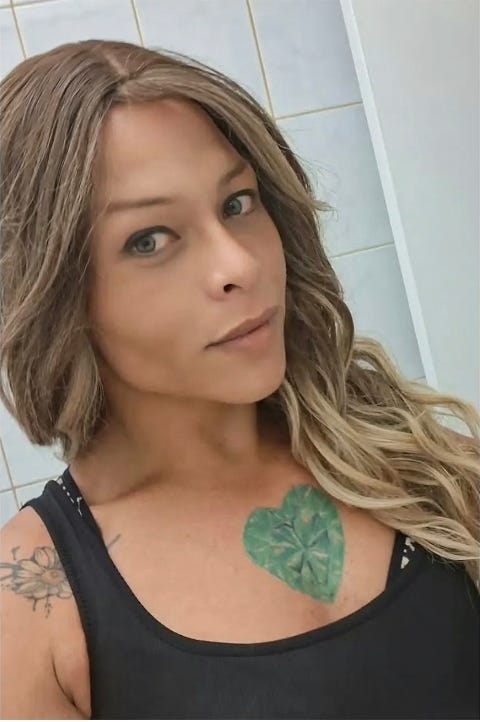
Daniela Fuentes had already spent years fighting for the ability to live openly as herself before U.S. detention pushed her back toward hiding. The 32-year-old Cuban trans woman had built a life in Miami around family, beauty work, clients, and drag performance after leaving Cuba and traveling through Central America. She told EL PAÍS that Miami gave her room to be Daniela again after earlier periods when she had changed how she dressed during migration because she believed presenting as a man was safer.
That changed after Daniela was detained in Florida. At the Turner Guilford Knight Correctional Center, she says she was made to remove the clothes she had been wearing and put on a male inmate uniform. Her wig was taken, and she says she was treated as a man from that point forward. Daniela described the experience as devastating because the appearance she had fought to build was tied to the life she had fought to live openly. Later, at the Lake County Detention Center, she cut hair that had grown to the middle of her back and began changing how she walked, greeted people, and used her voice. She described herself as being in “survival mode.”
Daniela said people at the detention center watched over her safety, and she chose to cut her hair and change aspects of her presentation because she believed it would make moving through detention safer. She began walking differently, changed how she greeted people, and moderated her voice. By the time deportation came, she had adapted her appearance and behavior around the question of what would help her survive.
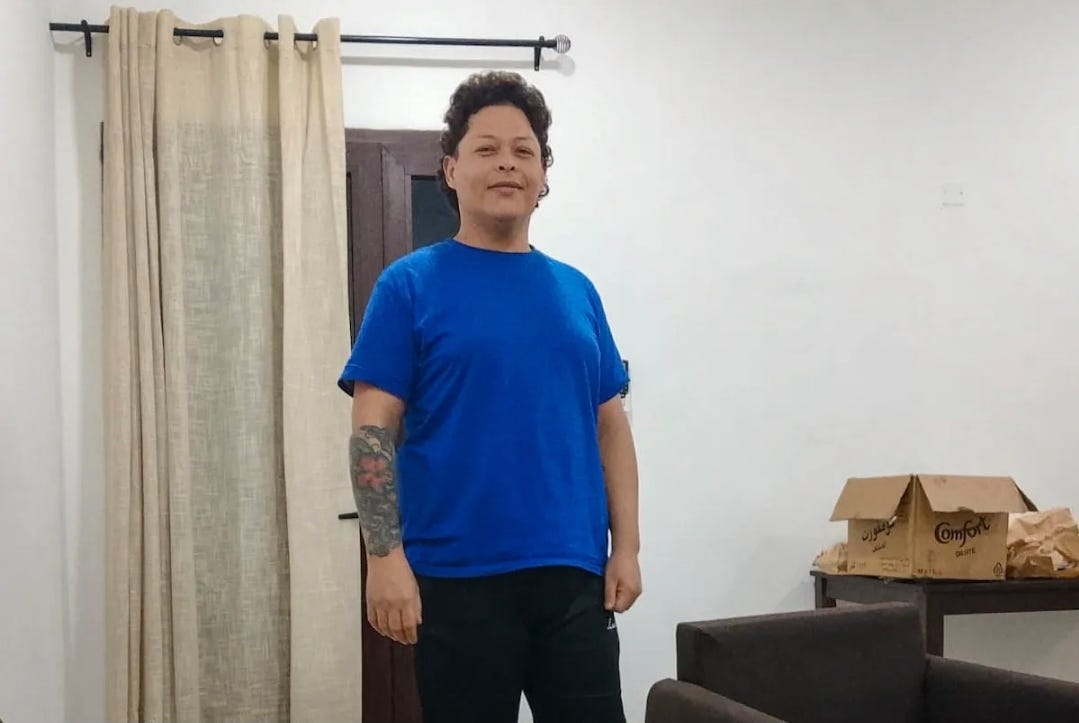
On August 31, that survival calculation followed Daniela onto an ICE-operated deportation flight. EL PAÍS reports that she traveled for roughly 22 hours with other deportees and says nobody told her beforehand that she was being sent to the Central African Republic. Daniela said armed officers arrived before the removal, but she did not learn during preparations that Africa would be her destination. Several hours into the flight, officers confirmed where the group was being taken. She said she would have chosen Cuba had that option been given to her.
Daniela arrived in Bangui with the same problem she had confronted in detention: deciding when it was safe to be visibly herself. She says people have pointed at her body and mocked her, and she described feeling unsafe because of the homophobia she encounters around her. During one trip to a supermarket, she said people pointed at her breasts and initially refused to sell her what she had come to buy. Her response has been to limit how openly she presents herself and to spend much of her time inside. “I feel very unsafe here,” she told EL PAÍS.
The wig taken from Daniela when she entered detention was eventually returned to her after she reached the Central African Republic. She now sometimes puts it on privately in the bathroom and looks at herself in the mirror. “That’s when I remember who I am,” she said. The men sharing housing with her know she is trans and, according to Daniela, have been protective of her, but she still describes the version of herself moving through daily life in Bangui as “in disguise.”
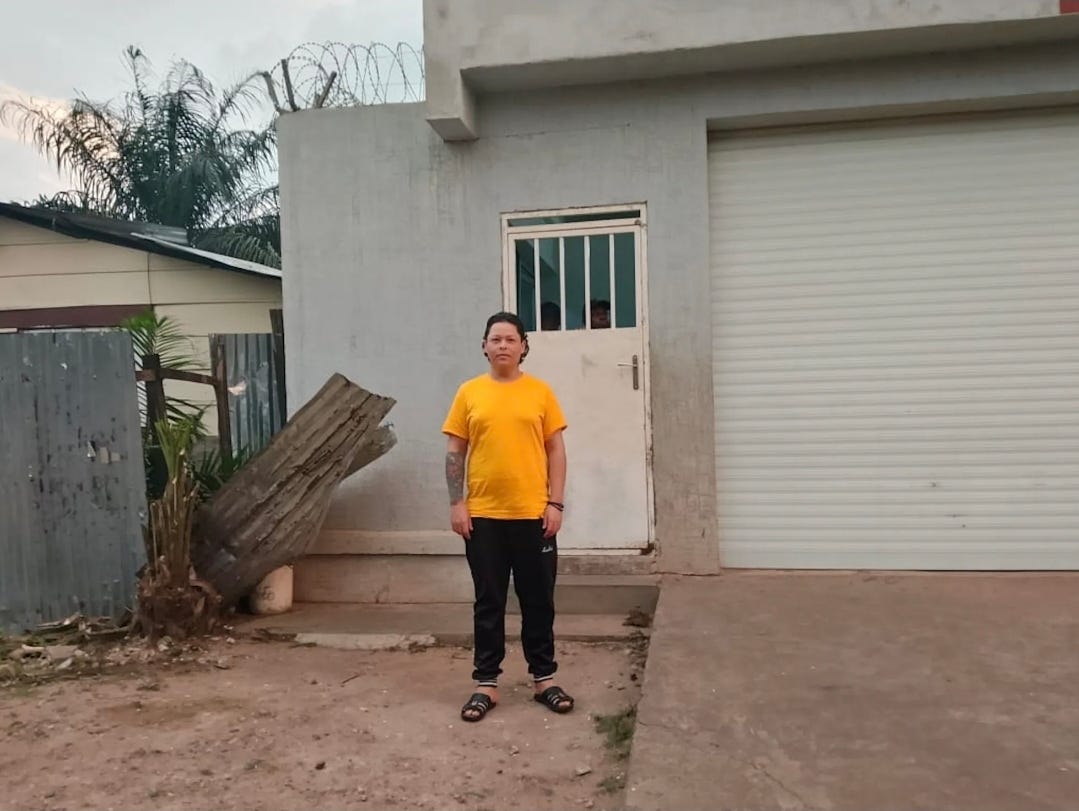
Daniela does not want to remain there. She has contacted Cuban consular authorities seeking a way back to Cuba, but EL PAÍS reports that she currently has no passport or other identification. A Cuban official told her that a temporary travel document would be processed, though Daniela was not given a timeline. Her plan is itself another measure of the pressure surrounding her: she expects to leave Africa presenting as Daniel, then return to her sister’s home in Cuba and put her wig, earrings, lashes, and acrylic nails back on before trying to rebuild a life as Daniela again.
What happened to Daniela unfolded while federal protections and transparency around trans people in immigration detention were being rolled back. The Vera Institute reported that after Donald Trump returned to office, an executive order directed federal custody placements according to sex rather than gender identity. ICE subsequently removed its 2015 Transgender Care Memorandum from its website and amended at least three detention contracts to remove transgender-care requirements. Vera also reported that ICE stopped including transgender population statistics in public detention reports; the last report containing those figures listed 47 trans people in custody and 69 fiscal-year book-ins as of January 12, 2025.
Daniela’s deportation also sits inside a wider third-country removal system affecting LGBTQ immigrants. Immigration Equality reported in June that LGBTQ refugees and asylum seekers have been sent to third countries where the organization says they may face persecution, detention, torture, or death, including some people who had previously received protection in the United States. The organization has raised concerns about whether LGBTQ people are being transferred to countries where their sexual orientation or gender identity may expose them to new danger.
For Daniela, those larger policies have an immediate human consequence. She had already learned to change her appearance while crossing countries, then did it again while moving through U.S. detention, and now says she is doing it once more after being deported thousands of miles from the life she had built. The unresolved accountability is not only why the United States sent Daniela specifically to the Central African Republic without telling her the destination in advance, but what consideration was given to the safety of a known trans woman before placing her in a country where she now says she cannot comfortably live openly as herself.
Daniela is still trying to leave. Until she can, the life she describes in Bangui is divided between the person other people see and the woman she reconnects with privately when she puts her wig back on. She spent years fighting to live openly as Daniela. After detention and third-country deportation, she is again measuring survival by how much of Daniela she believes she can safely show.
Trans United will continue following Daniela Fuentes for any significant development in her case, including her efforts to secure travel documents and leave the Central African Republic.
Upgrade to a paid subscription to Trans United to help sustain reporting that documents the harm trans people face in detention, deportation, and displacement while keeping their lives and voices at the center of the public record.
RELATED REPORTING — THIRD-COUNTRY DEPORTATIONS

Beautiful woman. They knew what they were doing. They put her there on purpose.
In a way they killed her, partially. Just because an ole hatefilled man hates anything not caucasian. I hope she gets to live openly in the future somewhere of her choosing. It is terrible to have to hide your true nature.